The honest part nobody talks about
A health scare doesn't just affect your body. It rewires how you relate to pleasure, touch, and yourself. You might feel broken, untouchable, or terrified that sex will somehow undo the healing you've fought for. That fear is completely legitimate.
But here's what I've seen repeatedly in my practice: the path back to intimacy isn't about forcing yourself to be "normal" again. It's about building a new normal that honors what your body has been through while gently inviting pleasure back in.
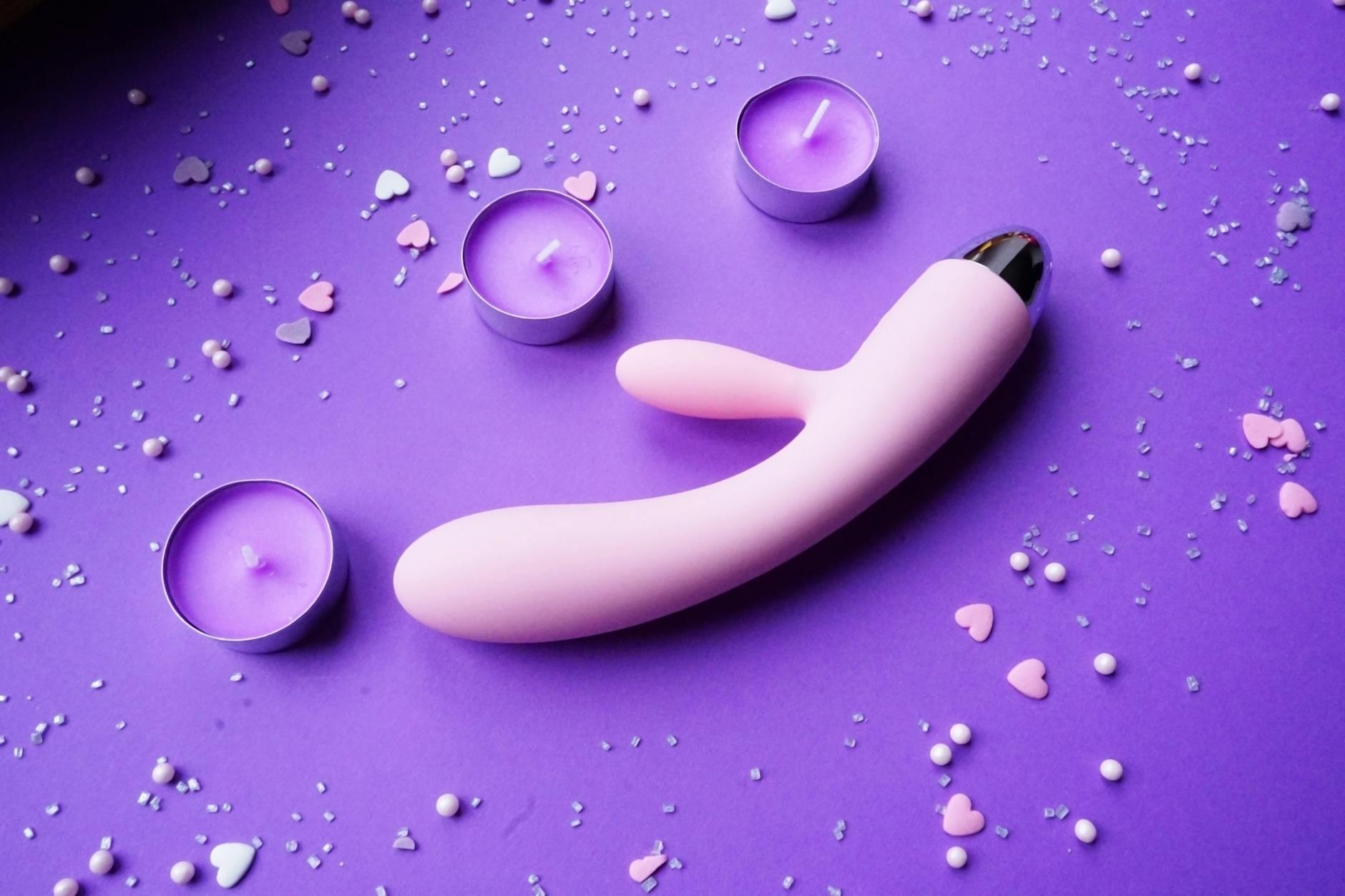
This is where tools like a lemon clitoral vibrator become genuinely useful. Not as a magic fix, but as a bridge. A way to explore sensation on your own terms, at your own pace, without the pressure of performance or the vulnerability of a partner watching you navigate something you're still afraid of.
Why your nervous system is in charge now
After health trauma, your brain has learned to protect you. That's not weakness. That's survival. Your nervous system flagged sex as a potential threat and built walls. When you try to have sex before those walls come down, your body goes into a holding pattern. Vaginal tension. Loss of lubrication. Difficulty with arousal.
None of that is permanent. But it won't shift through willpower alone.
What actually works is bottom-up nervous system regulation. Meaning you start with your body, not your mind. You give your nervous system evidence that pleasure is safe again. Solo exploration with a lemon vibrator is one of the fastest ways to do that because it combines three things: control, privacy, and novelty without pressure.
Starting from where you actually are
Forgot the shame spiral about where you used to be or where you think you should be. You're starting from rest. That's okay.
Your first week back is about sensation only. Not orgasm. Not performance. Just noticing.
Begin with the lemon vibrator on its lowest setting. Many people jump straight to the patterns that worked before their health scare. That's a mistake. Your body has changed. Your sensitivity profile has changed. What felt pleasant before might feel overwhelming now. Start low. Breathe. Notice what's actually happening instead of what you want to happen.
Use a water-based lubricant even if you think you don't need it. After health trauma and extended time away from sexual activity, lubrication often doesn't arrive automatically. That doesn't mean you're broken. It means your arousal system is being cautious. Lube is not cheating. It's an invitation.
The power of a lemon suction vibrator for recovery
Traditional vibration can feel jarring when you're rebuilding trust with your body. It's direct stimulation on tissue that may feel hypersensitive or numb. A lemon vibrator works differently. The suction pattern creates a gentle pulling sensation that doesn't require the same kind of direct pressure. This is why many people recovering from health scares report that lemon clitoral vibrators feel more accessible than standard vibrators.
The Lem, for instance, gives you air-pulse patterns that feel completely different from traditional vibration. It's not hammering your nervous system into submission. It's coaxing. That distinction matters when you're healing.
Start with pattern 1 or 2. Spend 10 to 15 minutes just exploring. If nothing happens, that's fine. Your nervous system is learning that this is safe. If sensation starts building, don't chase the orgasm. Just observe it.
What to do when your mind gets in the way
Your body might be ready before your brain is. Or vice versa. Either way, intrusive thoughts are normal during recovery.
"What if this breaks my healing?" It won't. Pleasure actually accelerates healing by signaling safety to your nervous system.
"What if I can't finish?" Finishing is not the goal. Reconnection is. If you orgasm, wonderful. If you don't, you've still given your body evidence that pleasure is possible again.
"What if something feels wrong?" Stop. Check in with yourself. Does it feel physically wrong (pain, concerning sensations), or does it feel emotionally overwhelming? Physical pain needs medical attention. Emotional overwhelm is your nervous system saying "slow down." Both are valuable information.
Consider keeping a simple journal. Not therapy. Just three sentences after each exploration: what you tried, what you felt, what you want to try next. Over weeks, patterns emerge. You'll see your own recovery arc.
When and how to reintroduce partnered intimacy
Don't let your partner's readiness drive the timeline. You're the one healing. You're in charge.
Once you've had three to five successful solo sessions where you felt reasonably comfortable, and you're noticing arousal returning, consider talking with your partner. Not performing. Just talking.
"I'm working on getting back to pleasure. I'd like to explore together, but slowly. I need things to look like this." Then be specific. Maybe that means your partner is present but you're using the lemon vibrator solo while they hold your hand. Maybe it means they leave the room. Maybe it means they only touch you in ways you explicitly ask for.
If your partner balks at this level of structure, that's useful information about whether they're ready to support real recovery.
When you do bring a partner in, remember: this is not about proving you're healed. It's about expanding the circle of safety. Start clothed. Start slow. Let your partner know that you might need to stop, and that stopping is not rejection.
Managing the mental loops
Recovery isn't linear. You might have a week of great pleasure, then suddenly feel triggered and disconnected. That's not regression. That's a trauma response. Your nervous system is still learning that pleasure is safe.
When that happens, step back. Return to solo exploration. The lemon vibrator isn't just a tool for pleasure. It's a tool for proving to your own nervous system that you can be in charge of your body again. That agency alone is healing.
If anxiety spikes during or after exploration, pause the activity. Do something grounding. Five things you can see. Four things you can touch. Three things you can hear. Your nervous system needs to know it's safe in the present moment before it can fully relax into pleasure.
The timeline you actually need
Most people report meaningful reconnection with pleasure within two to four weeks of consistent solo exploration. That doesn't mean you're fully "recovered" in that timeframe. But you'll notice the difference. Arousal returning. Interest in intimacy lifting. Your body starting to feel like it belongs to you again.
Some people take three months. Some take longer. Both are normal. This isn't a race.
What matters is that you're moving forward. That you're giving your nervous system evidence that pleasure and safety can coexist. That your body is trustworthy, even after trauma.
When to involve professional support
If pain persists beyond four weeks of careful exploration, see a pelvic floor specialist or sex therapist. If anxiety doesn't ease, or if your partner becomes resentful about the slow pace, couples therapy is worth exploring. If you're cycling between denial ("I'm fine, this isn't a big deal") and despair ("I'll never want sex again"), that's a sign trauma is still actively shaping your narrative.
Therapy isn't weakness. It's the turbo button on healing.
Recovery after health scares is possible. Your nervous system can retrain. Your pleasure can return. And sometimes, the slowest path back is the one that leads to the deepest pleasure. You're not trying to get back to before. You're building something more intentional.
People also ask
Is it safe to use a lemon clitoral vibrator while recovering from illness?
Yes, assuming you're cleared for sexual activity by your doctor. A lemon vibrator is actually gentler than many alternatives because the suction pattern doesn't require intense direct pressure. Start on the lowest setting and listen to your body. If you experience pain, stop. If you feel emotional overwhelm, pause and breathe. Pleasure should feel exploratory, not stressful. If your recovery involved pelvic surgery or significant trauma, ask your doctor or a pelvic floor specialist about timing and what to avoid.
How long before partnered sex feels normal again after health trauma?
There's no universal timeline. Some couples reconnect within a month. Others take three to six months. The speed depends on how much trust was affected, whether your partner was supportive during recovery, and how well your nervous system is regulating. Focus on incremental milestones: solo arousal first, then partner presence, then touch, then penetration (if that applies). Skipping steps usually leads to setbacks. Slow and steady actually works here.
Can using a lemon suction vibrator alone make it harder to orgasm with a partner later?
No. Your body doesn't "prefer" one tool over another. What actually happens is this: as you explore with a lemon vibrator, you learn your own arousal patterns. You understand what rhythm, pressure, and pattern work for your nervous system. That knowledge makes partnered sex better, not worse, because you can communicate specifically about what works. Many people find that solo confidence translates directly to partner confidence.
What if I have no sex drive at all after my health scare?
Low libido is one of the most common post-trauma responses. Your brain has downregulated desire as a protection mechanism. That doesn't mean desire is gone. It means it's in hibernation. Gentle exploration with a lemon vibrator, even if you feel no arousal, can sometimes wake it up. But if desire stays absent beyond three months, or if it's causing distress in your relationship, talk to a therapist who specializes in trauma and sexuality. Hormone levels may also need checking. Low libido after health scares is treatable.
Should I tell my partner about using a lemon vibrator during recovery?
That depends on your relationship agreements. If you have an expectation of disclosure about sexual exploration, yes. If you have privacy agreements, no. What matters most is that using a lemon vibrator is for you, not instead of your partner. You're not checking out of the relationship. You're preparing to show up more fully. If your partner reacts with insecurity or jealousy to solo exploration, that's a conversation worth having, ideally with a couples therapist.
What if my body still feels traumatized and disconnected?
That's common. Trauma lives in the nervous system, not just the mind. Try gentle touch first. Massage your own thighs, feet, hands. Notice textures. Feel the bed under you. Build a foundation of safe sensation before introducing a vibrator. Some people benefit from somatic therapy or trauma-informed yoga alongside solo exploration. Others need more time. Be patient with yourself. Your body is doing exactly what it's supposed to do: protecting you until it knows it's safe to relax.
Moving forward
Restarting your sex life after a health scare is not about erasing what happened or forcing yourself back to normal. It's about building a new relationship with pleasure that honors your resilience and your body's needs. Tools like a lemon clitoral vibrator are useful precisely because they let you set the pace, control the intensity, and rediscover pleasure on your own terms.
Your body didn't fail you. It protected you. Now it's time to thank it by gently inviting pleasure back in.
If you're navigating this alone and feeling stuck, consider reaching out. Our team can help you think through next steps, or point you toward resources that specialize in post-health-scare recovery. You don't have to figure this out in silence.
Your pleasure matters. Your recovery matters. And you absolutely deserve to feel good again.