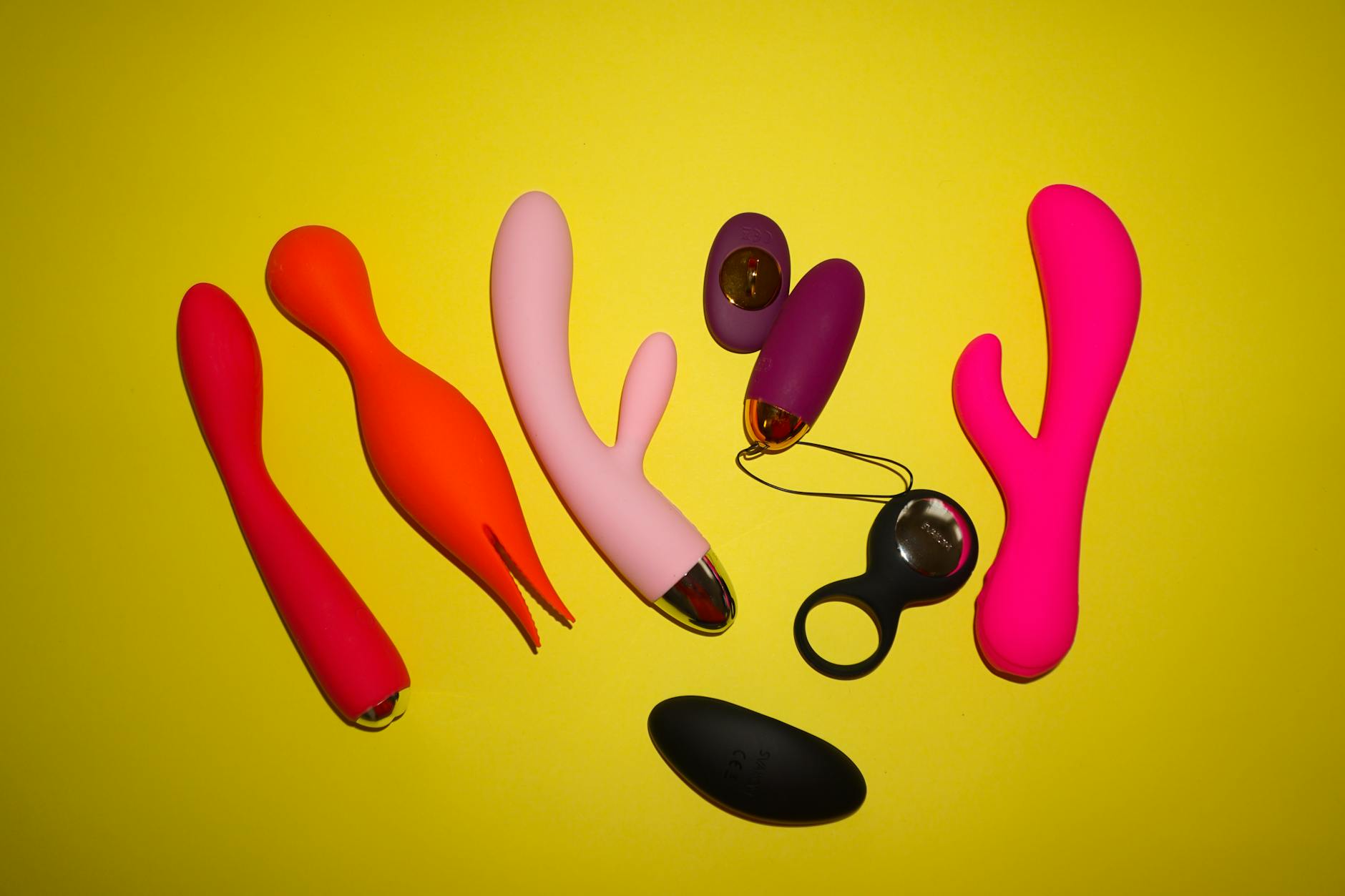
Here's the thing nobody tells you straight
Your body might change how it responds to touch. It happens after stress, after medication changes, after major life shifts, after grief. Sometimes there's no obvious reason at all. One day the same touch that worked for years feels numb, or too intense, or just... different. Most people panic and assume something broke. It didn't.
What actually happened is your nervous system recalibrated. And that's fixable once you stop fighting it and start working with it instead.
Why sensation changes (and it's not what you think)
There are about five reasons your body might suddenly respond differently to stimulation, and exactly zero of them mean you're damaged.
First: stress literally desensitizes nerve endings. When your body is running on cortisol and adrenaline, pleasure receptors go quiet. Second: medications, especially SSRIs and blood pressure drugs, change how nerves fire. Third: hormonal shifts (whether perimenopause, hormonal birth control, or just your regular cycle) alter tissue sensitivity and blood flow. Fourth: dehydration, poor sleep, or low iron make everything feel muted. Fifth: your brain got bored or anxious, which kills arousal faster than almost anything else.
None of these are permanent. But they all mean your approach needs to shift.
The Lemon vibrator advantage when sensation feels off
Here's why a lemon clitoral vibrator works better than most other options when your body's being finicky. The suction-cup technology doesn't rely on direct vibration friction. It creates a gentle pulling sensation that engages deeper nerve networks without overwhelming the surface. When you're dealing with desensitized tissue or oversensitivity (which sometimes flip between each other), that matters more than you'd think.
Most vibrators are all-or-nothing. The lem vibrator meets your body where it actually is right now.
Start at pattern one or two. Not because you're weak. Because your nervous system is asking for gentleness while it figures out what it needs again. Most people with numb or changed sensation make the mistake of turning intensity up higher, hoping it'll work. It won't. It just creates frustration and teaches your body to tense up more. The opposite works better.
Warming up differently when sensation is muted
When you can't feel things the way you used to, the warm-up becomes your real strategy. Budget 20 to 30 minutes. Not because you're being romantic or setting a mood. Because it takes time to wake up nerve endings that have been sleeping.
Start without the lemon vibrator at all. Use your hands. Touch your neck, your inner arms, your thighs. You're not trying to turn yourself on. You're trying to teach your nervous system that touch is safe and worth paying attention to. Slow, repetitive touch rewires how your body responds better than sudden intensity ever will.
Then move to the toy, but keep it on the lowest setting for the first five minutes. Let your body recognize what's happening. Let arousal build its own way instead of forcing it.
If your partner is involved, tell them exactly what's happening. "I need longer warm-up time" is a complete sentence. It's not rejection. It's not a problem. It's information. Most partners will engage with that happily once they understand it's not about them.
When sensation flips between numb and overwhelming
Sometimes the same stimulation that felt numb ten minutes ago suddenly feels way too intense. This is actually common and usually means anxiety is involved. Your nervous system is caught between two states.
Here's the tactical fix: take a break. Seriously. Not a disappointed break. A reset break. You can put the lemon clitoral vibrator down for two minutes, breathe, maybe stretch. Then start again at pattern one, knowing you might only stay there for five minutes instead of fifteen. Pleasure doesn't have to build in a straight line. It's okay if it stalls and restarts.
If this pattern keeps happening, it's worth checking in with yourself about what you're actually thinking about during sex. If your brain is running commentary like "is this working," "am I taking too long," or "what if this never feels like it used to," your nervous system is defending itself. Those thoughts aren't true. They're just anxiety. The fix is naming them, not fighting them.
Adjusting technique when you need consistency more than intensity
When sensation feels different, sometimes what helps isn't a stronger toy. It's a consistent one. The lemon vibrator works well here because the suction pattern is even and predictable. You can position it, relax into it, and let your body track what's happening without the distraction of chasing sensation.
Keep the pattern steady. Don't keep adjusting. The worst thing you can do when your body feels off is turn into a remote control, clicking through settings trying to find the magic answer. There usually isn't one in a single session. But if you stay with one pattern for ten to fifteen minutes without interrupting, your nervous system often catches up.
Breathing matters here more than you'd think. Most people hold their breath when sensation feels weird. That makes everything worse. Breathe deeply and steadily. Tell your body it's safe. Sounds corny. Works anyway.
When pain or discomfort shows up with changed sensation
If your body is responding differently and there's also pain or discomfort, don't just work around it. That's your nervous system telling you something actually needs attention. Sharp pain, burning, or persistent achiness during or after sex is worth a conversation with your doctor or a pelvic floor physical therapist.
Wait for that to be sorted before you keep pushing with a lemon vibrator or any toy. Your body needs permission to be safe before it can relax enough to enjoy pleasure again.
Rebuilding trust with your own body
Honestly, the biggest part of this is emotional. When your body stops responding the way it used to, there's a grief in that. You trusted your body. Now it feels like it betrayed you. That anger and disappointment sit in your nervous system and make everything harder.
The actual rebuilding is slower than you want it to be. It's not one conversation or one session with the lemon sexual toys. It's months of showing your body through patient, consistent touch that you're not mad at it. That you're not trying to force it back to how it was. That you're willing to meet it where it actually is.
That's when sensation usually comes back. Not because the toy is stronger. Because your nervous system relaxes again. And you deserve that.
People also ask
Q: How long does it take for sensation to come back to normal after it feels numb?
A: It depends on the cause. If it's stress or dehydration, sometimes a few days of better sleep and hydration helps. If it's medication-related, it might take weeks or months, and might need a conversation with your doctor about adjusting timing or dosage. If it's anxiety, it can shift within sessions once you're not forcing it. The key is not expecting it to snap back overnight. Your body didn't lose sensation overnight, so it won't regain it that way either.
Q: Should I use a stronger vibrator if my body feels numb?
A: No, and this is important. Stronger usually creates tension, which makes numbness worse. A lemon clitoral vibrator on a low pattern is often more effective because you're not fighting your own body's defenses. Your nervous system has to relax before it can feel anything. Force never does that.
Q: Can changed sensation mean there's something seriously wrong?
A: Sometimes, but not usually. Sudden total loss of sensation definitely warrants a doctor's conversation. But gradual changes, numbness that comes and goes, or oversensitivity after a stressful period? That's usually your nervous system, not a medical emergency. Still worth mentioning to your doctor at your next checkup, especially if it's been weeks or months.
Q: What if my partner doesn't understand why we need to change how we do things?
A: That's actually a separate conversation from the physical part. A partner who cares about you will engage with "my body needs something different right now." If they won't, that's information about the relationship, not about your body. You might want to talk through that with a therapist before you worry about the toy.
Q: Does using a lemon vibrator on a low setting still actually feel good?
A: Yes. Different doesn't mean worse. A lot of people with changed sensation actually prefer lower patterns because they can actually feel what's happening. Intensity that overwhelms the nerve endings prevents pleasure. Gentle stimulation that your nervous system can track creates it. You might be surprised.
Q: How do I know if my changed sensation is permanent or temporary?
A: If it's been less than a week, assume temporary and just adjust. If it's been a few weeks, check the obvious factors: stress level, sleep, hydration, medications, where you are in your cycle. If none of that explains it, mention it to your doctor. Most changed sensation is temporary once you figure out what triggered it.
You're not broken. You're just asking for patience
Your body responds differently to touch sometimes. That's not failure. That's information. The lemon vibrator works so well for people experiencing this because it's not about forcing intensity. It's about creating space for your body to rediscover what it actually wants. Use it patiently. Trust the process. And if it takes longer than you'd like, that's okay. You deserve pleasure that works for who you are right now, not who you were three months ago.