When the gap feels too long to bridge
Let's be real. Coming back to sex after a long break isn't like riding a bike. It's more like waking up in a body you don't quite recognize yet. Whether you've stepped away for health reasons, a relationship ended, life got loud and demanding, or something else entirely shifted your priorities, the gap between "then" and "now" can feel disorienting. Your brain might want to resume. Your body might feel hesitant, numb, or even mildly resistant. Both are completely normal.
Here's what I tell clients: the restart isn't about performance or "getting back on track." It's about meeting yourself exactly where you are and building slowly from there. And that's where a tool like a lemon clitoral vibrator becomes genuinely useful. Not because it's magic, but because it lets you dial in sensation gradually without the pressure or negotiation that sometimes comes with a partner.
Why arousal might feel different after time away
Your nervous system remembers the gap. After weeks or months without sexual stimulation, your body's baseline for arousal shifts. The neural pathways that used to light up quickly become a bit dormant. Blood flow to the genitals, lubrication timing, the speed of genital swelling. all of it can feel slower or less automatic than it used to. This isn't malfunction. It's exactly what happens when something's been on pause.
Add anxiety on top and things get quieter still. Many people returning to sex carry some low-level tension about whether they'll "still work" or whether pleasure will come back. That anticipatory anxiety literally dampens arousal. Your nervous system can't simultaneously be in fight-flight-freeze mode and parasympathetic relaxation mode. One has to give.

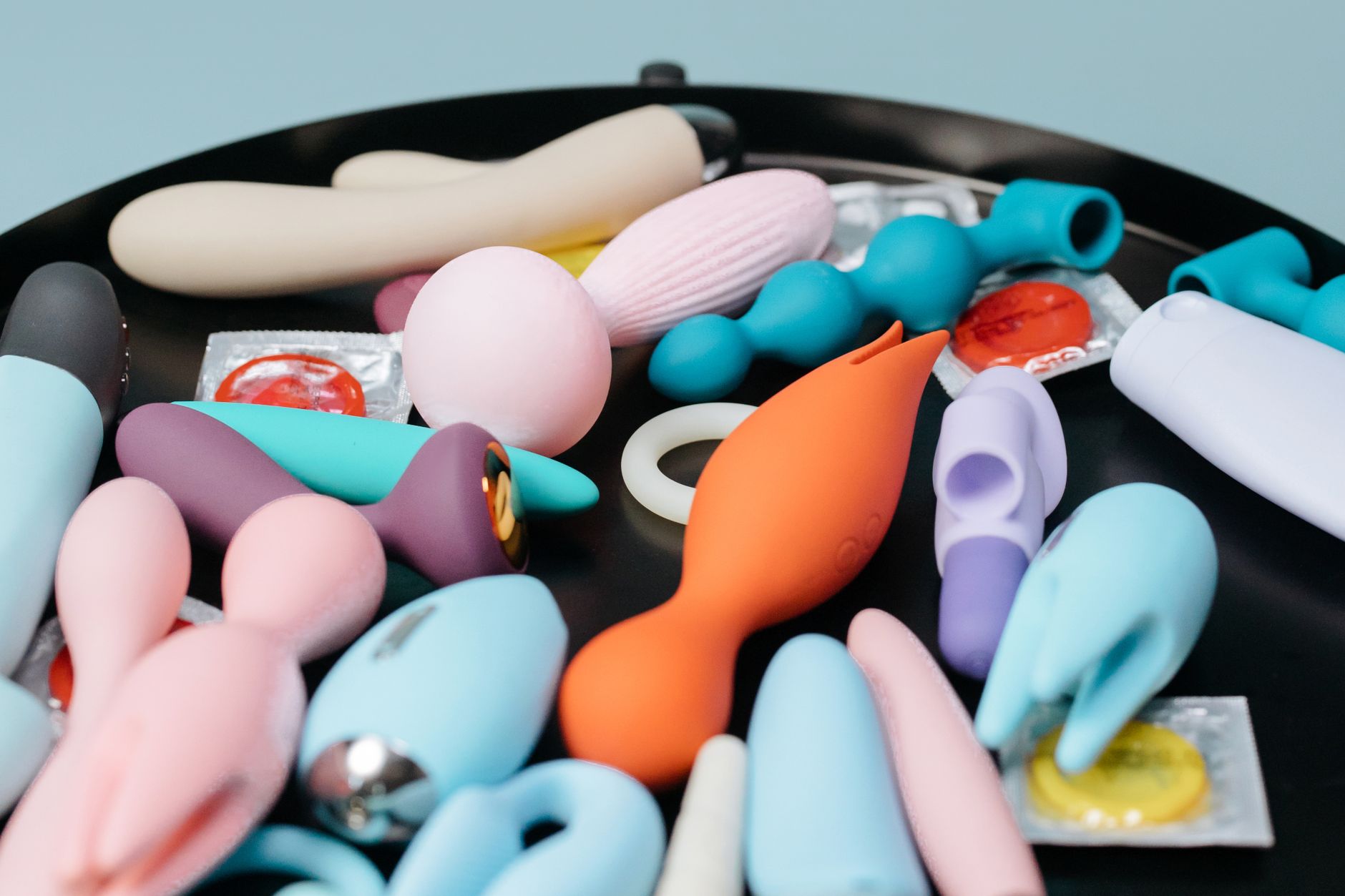
Photo by Madison Inouye on Pexels
The third piece: your body's sensitivity might have shifted. If you're returning after illness, surgery, hormonal changes, or extended medication use, the sensation landscape might genuinely be different. Tissues can feel less responsive, or sometimes overly sensitive. Clitoral sensation can feel duller or even slightly uncomfortable. This doesn't mean pleasure is gone. It means you need to recalibrate.
Why a lemon clitoral vibrator works for restarts
A lemon vibrator, particularly one designed with suction or gentle pulsation, works well for people rebuilding because it does three things safely. First, it provides consistent, non-judgmental stimulation. Unlike a partner or your own hand, a clitoral vibrator can't get tired, can't feel rejected if you need to stop, and won't interpret your hesitation as a problem. You're in complete control.
Second, the sensation is different from what most people remember from earlier sexual experiences. That unfamiliarity can actually work in your favor. You're not trying to recreate an old pattern. You're discovering a new one. That takes the pressure off performance and resets the whole conversation to curiosity instead.
Third, lemon vibrators like the Lem are designed for sensitive tissue and work beautifully at low intensities. If you've been away from stimulation, starting with patterns and speeds that build gradually is key. You don't need high-power devices when you're recalibrating. You need precision and control.
The first restart session: what actually happens
Honestly, plan for this to feel a bit awkward. That's not a failure.
Start completely solo. Partner or no partner waiting, this first exploration needs to be for you alone. Set aside maybe twenty to thirty minutes without interruption. Not because it will take that long, but because you're removing the pressure to rush.
Begin clothed. Sit somewhere comfortable. The arousal rebuild doesn't start at your genitals. It starts with you noticing what feels good in your body generally. Maybe it's a favorite scent. Maybe it's particular lighting or music. Maybe it's just the feeling of being in a room where you feel safe. These micro-signals matter because they're telling your nervous system that pleasure is back on the menu.
When you're ready (and you'll know), move to a private space and undress slowly. This isn't theatrical. It's practical. You're reconnecting with your own body without an audience or agenda. Notice what you see. Notice what you feel. If self-consciousness shows up, name it and keep going.
Hold a lemon vibrator in your hand. Don't turn it on yet. Feel the weight of it, the temperature, the texture. For some people, this moment of pause recalibrates something important. You're holding something designed specifically for pleasure. You're deciding to use it for yourself. That's a real moment of permission.
Turning it on and building sensation slowly
Start at the lowest setting. Many people make the mistake of jumping to pattern 2 or 3 because they remember needing more intensity. You don't need more intensity right now. You need to reestablish the conversation between your nervous system and the sensation.
Apply the vibrator gently above the clitoris, over the hood. Not directly on it yet. Let the vibration travel through the tissue. Notice what happens. Are you feeling it? Is it pleasant? Too much? Too light? There's no right answer here.
Move it slightly. Move it back. You're not trying to reach orgasm. You're trying to wake up sensation. Some people in this phase report feeling almost nothing for the first five to ten minutes. That's okay. Keep going. The sensitivity is building.
If you start to feel anything that resembles arousal or interest, that's your signal to stay with that spot. Micro-movements help. Small circles, gentle pressure changes, staying in one area for a minute or two rather than searching. Your clitoris doesn't need to be hunted. It needs steady, predictable attention.
Managing the gap between wanting arousal and actually feeling it
One of the hardest parts of restarting is the moment where you intellectually want pleasure but your body hasn't caught up yet. You're turned on in theory but not in feeling. This causes a lot of people to shut down, because it feels like evidence that something's broken.
It's not. It's evidence that your body needs more time to trust that this is happening.
Here's what helps: shift your goal. You're not aiming for orgasm on this restart attempt. You're aiming for five minutes where you notice something shifted in your body. Maybe that's increased warmth. Maybe it's a subtle shift in breathing. Maybe it's the first small twitch of genital responsiveness. That's a win.
The other thing that helps is <a href="/blog/how-to-use-lemon-vibrator-when-arousal-takes-longer-to-build">recognizing that arousal takes longer to build when you're out of practice</a>. Budget more time than you think you need. Many people returning to pleasure after a break find that ten to twenty minutes of consistent, low-intensity stimulation is when things really start to shift. Your body isn't slow. It's just being cautious.
Dealing with the feelings that show up alongside sensation
Sometimes when arousal starts returning, so do other emotions. Grief about the time that's passed. Relief that you're not broken after all. Sadness if a relationship ended and you're starting over solo. Anxiety if you're testing the waters with a new partner. Maybe all of these at once.
Your body might physically respond to pleasure while your brain is processing something else entirely. That's not contradiction. That's normal.
If big feelings arrive, you can keep going if you want to. You can also pause. Either is fine. Some people find that staying with the sensation helps them process the emotion. Others need to stop and sit with the feeling without stimulation. Trust whatever you need in that moment.
The key is separating "this doesn't feel good physically" from "this brings up complicated feelings." If it's the second one, the physical sensation is usually still there. You're just moving through something emotionally at the same time.
When you're restarting with a partner
If you're rebuilding with someone else in the picture, communication changes the whole dynamic. The worst thing you can do is pretend the gap doesn't exist or dive back into old patterns like nothing happened.
The better approach: tell them explicitly that you're restarting. Explain that arousal might take longer. Explain that you might need breaks or might need to stop. Explain that you're testing things out solo first to rebuild your own baseline before you bring them into it.
Then, when you're ready to include them, <a href="/blog/how-to-use-lemon-vibrator-when-exploring-with-a-partner-who-is-hesitant">using a lemon clitoral vibrator together can actually reduce pressure</a>. Instead of partner-focused sex, you're exploring something together. They might hold it for you, or you might use it while they're present. The point is that it's collaborative rather than performance-based.
Many couples find that bringing a device into the restart moment actually rebuilds connection because it removes the expectation that either person can single-handedly trigger arousal. You're both working toward pleasure together.
Timeline expectations that won't wreck you
If you've been away for a few months, give yourself four to six weeks of regular solo exploration before pushing harder or involving a partner in deeper ways. Regular means three to four times a week, not daily. You're building a pattern, not cramming.
If it's been a year or longer, add another month to that timeline. Your nervous system rewires slowly. You're not just rebooting sensation. You're rebuilding the neural pathways that connect emotion, safety, arousal, and pleasure.
Some people notice shifts quickly. Others take two months. Both are normal. The people who struggle most are usually the ones who expect instant results or who measure success by orgasm rather than by increased sensation or reduced anxiety.
When to bring a partner back into solo exploration
There's a point where restarting shifts from solo work to collaborative work. You'll feel it. Usually it's when you've had a few sessions where arousal builds consistently and sensation is increasing. That doesn't mean you're orgasming. It means your body is responding again.
When you're ready to include a partner, go slowly. Let them watch you use a lemon clitoral vibrator on yourself. Let them see what you've been learning about what feels good. This removes the pressure from them to "fix" your arousal and instead invites them into your pleasure.
Many people returning to sex after a break find that this shift. from solo to collaborative. is actually when real reconnection happens. Because now you're teaching your partner about your current body instead of expecting them to remember your old one.
FAQ: Common questions about restarting with a vibrator
Will using a vibrator make it harder for me to enjoy sex without one later?
Not for people restarting after a break. If anything, using a lemon clitoral vibrator solo helps you rebuild baseline sensitivity so that partner sex becomes more responsive too. You're not training your body to need the device. You're waking up sensation that atrophied during the gap.
What if I don't feel anything the first time?
That's incredibly common, especially if you're anxious about restarting. Your nervous system might need multiple sessions before it trusts that pleasure is safe again. Keep the sessions short, low-pressure, and consistent. Something will shift.
Can I use a lemon vibrator if I'm experiencing pain or discomfort?
No. If there's pain, that's a signal to see a healthcare provider first. Pain during arousal or stimulation can indicate tissue issues, hormonal shifts, infections, or pelvic floor tension that need professional attention. Using a vibrator over pain won't help and might make things worse. Get evaluated, then restart once you have clarity.
Is it weird that I feel nothing and also feel everything at the same time?
Not at all. Your clitoris might be responding while your emotional system is processing the gap. You might feel physical sensation building while also feeling grief or anxiety. That's not contradiction. Your body can hold multiple experiences at once.
How do I know if I'm restarting successfully?
Success looks like: arousal building faster than it did the first session, sensation increasing in intensity, reduced anxiety around trying, and your body initiating signals that it wants more (more lubrication, genital swelling, faster breathing). You don't need to orgasm to be restarting successfully.
What if restarting brings up trauma or difficult memories?
That's real and it's okay. Some people find that their body holds memories of negative sexual experiences and restarting can trigger them. If this happens, pause and consider talking to a therapist who specializes in sexual health or trauma. You can restart, but you might need support processing what comes up alongside the pleasure.
The restart is just the beginning
Coming back to sex after a long break isn't linear. Some days arousal will flow easily. Other days you'll feel that old resistance again. Both are normal. You're not failing. You're reestablishing a relationship with your own pleasure, and that takes patience.
A lemon clitoral vibrator gives you a tool that works at your pace, judges nothing, and lets you explore without pressure. That's genuinely useful when everything else feels uncertain. Start small, stay consistent, and trust that your body remembers how to respond. Because it does. It just needed time.
If you're struggling to move through the restart solo, <a href="/contact">reach out for guidance</a>. You don't have to figure this out alone.