
Let's start with the real part
Pelvic floor surgery changes things. Hysterectomy, bladder lift, prolapse repair, or endometriosis excision. Whatever brought you here, your pelvic floor has been through a trauma, and your brain knows it. The question isn't whether you'll feel pleasure again. The question is when, and how to get there without undoing the work your surgeon just did.
I'm going to give you the timeline, the positioning strategy, and the honest answer to whether a lemon vibrator is the right tool for your recovery.
Understanding what your surgeon actually did
Your pelvic floor isn't one muscle. It's a layered hammock of tissue that supports your bladder, bowel, and uterus (or the space where it was). Surgery disrupts these layers intentionally, then they spend weeks fusing back stronger. Scar tissue forms. Inflammation peaks around day 3-5, then slowly resolves over 6-12 weeks, though deeper healing continues for months.
The clitoris has its own blood supply and nerve pathways separate from the pelvic floor itself. That's good news. It means pleasure sensation usually returns faster than you might expect. But stimulation still sends signals through your nervous system that can tighten pelvic floor muscles reflexively. If those muscles are freshly stitched and inflamed, that tightening can hurt.
That's the thing nobody tells you: not all pleasure is safe yet.
When external stimulation is actually safe
Here's the progression most people can follow. Your surgeon's clearance is step one. Most gynecologists give a full green light around 6 weeks. But "cleared" and "ready" are different things.
Weeks 1-3: No penetration, no internal stimulation, minimal external touching. Your body is swollen and fragile. Even excitement that causes pelvic floor clenching can create discomfort.
Weeks 4-6: Light external touch becomes possible, but not vibration yet. Your tissue is less angry, but still tender. If you're exploring sensation during this window, use your hand or a soft external toy. No suction. No patterns.
Weeks 6-8: This is when a lemon vibrator on its lowest setting becomes an option, if your individual healing has been straightforward. The vibration won't interfere with your scar tissue. The suction action is gentle enough that it won't provoke aggressive pelvic floor clenching.
Weeks 8 onwards: You can experiment with intensity levels and longer sessions.
The catch. If you had extensive surgery, multiple procedures, or complications, add 2-4 weeks to this timeline. If you're experiencing pain, ongoing swelling, or discharge, text your surgeon before trying anything. Seriously.
Why a lemon clitoral vibrator is actually a smart choice post-surgery
A few reasons this tool fits recovery better than alternatives.
First, suction stimulation doesn't create the same pelvic floor tension that direct vibration sometimes does. The suction patterns feel more diffuse, less likely to trigger that protective clenching reflex your nervous system learned during surgery.
Second, a lemon vibrator lets you control intensity precisely. Start at pattern 1. Stay there for a week or two. Your nervous system gets to learn "this is safe" before you turn it up.
Third, external-only stimulation means zero risk to your internal healing. You're not putting anything inside. You're not pressuring anything. You're just gently awakening nerve endings that have been through a trauma.
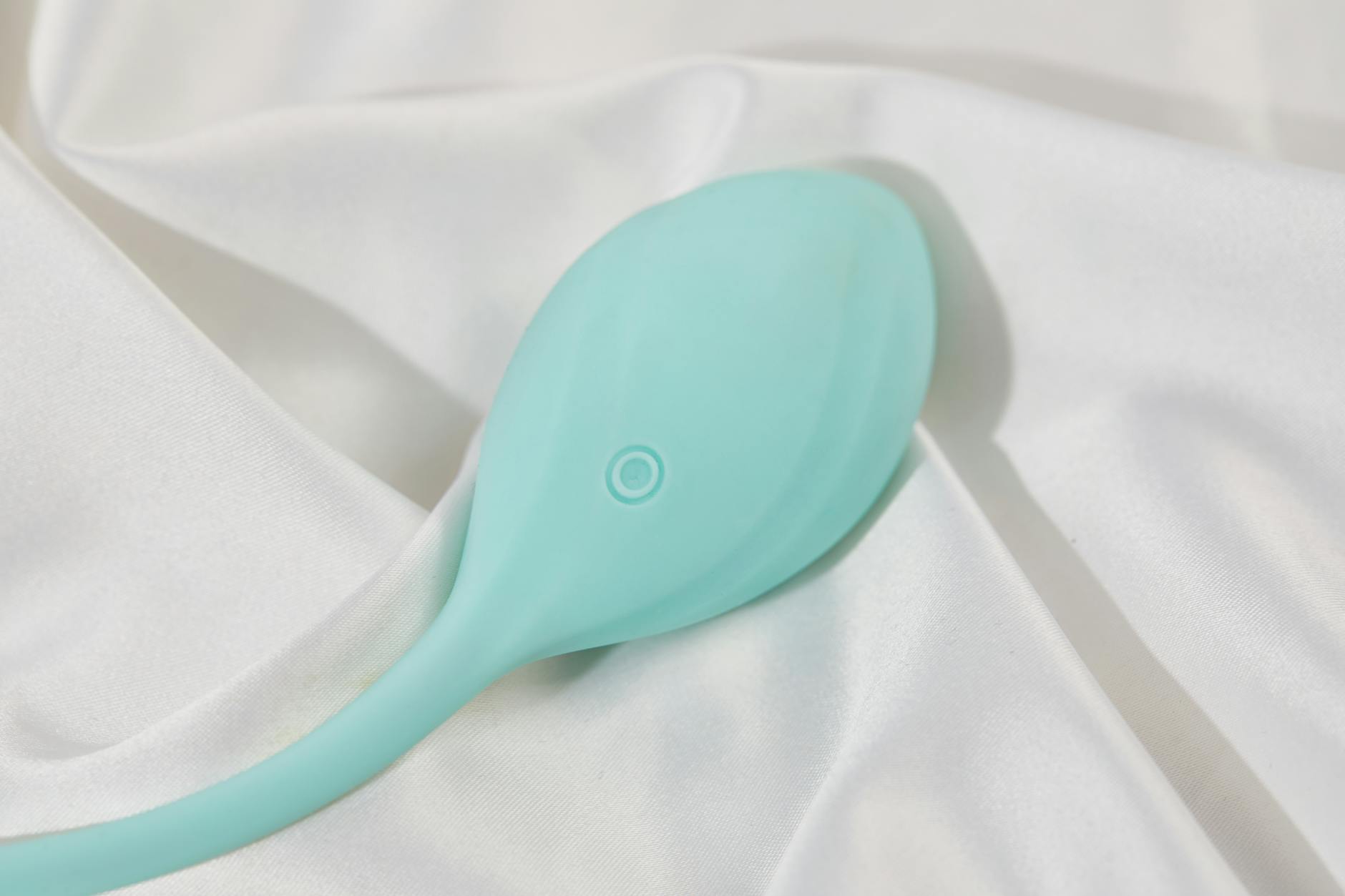
Photo by IFONNX Toys on Pexels
The positioning strategy that matters
Your position during recovery affects how much tension your pelvic floor creates. This is worth getting right.
Avoid lying flat on your back for extended pleasure sessions in the first 8 weeks. This position naturally recruits your pelvic floor muscles. It also puts pressure on your surgical site if there's still swelling.
Instead, recline at 45 degrees. Propped on pillows, knees bent, completely supported. This positioning keeps your pelvic floor in a neutral, slightly lengthened state. Tension is lower. Discomfort is unlikely.
If you're with a partner, communicate your positioning needs clearly. "I need to stay propped up" or "I can't lie flat yet" is useful information they need to hear without defensiveness. This isn't about them. This is about your healing.
Start with very short sessions. Ten minutes. Tops. Your nervous system is re-learning that pleasure and surgery don't have to mean pain. You're rewiring that association. Gentle and boring beats intense and risky.
What you might actually feel, and when to stop
Some people report reduced sensation in the first month post-surgery. This is normal. Swelling, numbness, and nerve disruption are temporary. Sensation typically returns fully by week 10-12.
Others report heightened sensitivity early on. Everything feels more intense. This is also normal. Your nervous system is hypersensitive to input because surgery was recent. Dial back intensity. Stay at pattern 1 or 2.
Watch for these signals to stop immediately: sharp pain (not pressure or mild discomfort, but actual pain), sudden swelling or warmth, drainage that looks infected, or pelvic floor cramping that doesn't release after 5 minutes. Any of these means text your surgeon. Do not push through.
Mild pressure, soreness, or an ache that fades within 15 minutes after stopping. That's normal early-recovery response. Your tissues are re-learning stimulation. Continue cautiously, but you're not doing harm.
The mental piece nobody talks about
Your brain just went through something. Surgery meant loss of control, vulnerability, and bodily betrayal. Your nervous system learned that your pelvic floor is fragile. Your amygdala flagged it as a threat.
When you come back to pleasure, you're not just healing tissue. You're re-training your nervous system to trust your body again. This is slower than tissue healing. It's also more important.
If you find yourself tightening up the moment a vibrator touches your clitoris, that's fear. Not damage. Your nervous system is protecting you. Slow down even more. Spend a session just holding the toy against you without turning it on. Let your body understand that stimulation doesn't mean trauma. This might sound gentle to the point of silly. It's not. It's rewiring.
If you're with a partner, they need to understand this too. Sex post-surgery isn't about performance or intensity. It's about rebuilding trust in your body. That requires patience from everyone involved.
When to involve your surgeon again
Most people heal beautifully and never need a second conversation. But if you're at week 10 and feel no change in sensation or you're experiencing consistent pain during or after attempts at pleasure, that's worth a follow-up. Not all healing is straightforward. Your surgeon might recommend pelvic floor physical therapy, which is genuinely transformative for recovery.
Pelvic floor PT isn't just for people with dysfunction. It's for anyone whose pelvic floor went through surgery. A PT can assess your individual healing, release tension your nervous system is still holding, and guide you back to pleasure safely. Think of it as coaching for your recovery.
FAQ
How long after surgery can I use any vibrator at all?
Most surgeons clear external-only stimulation around week 6, though individual healing varies widely. Internal stimulation typically waits until 8-12 weeks. Ask your surgeon specifically about external clitoral stimulation so you have clear guidance for your situation.
Will using a lemon vibrator too early damage my surgical repair?
External stimulation with a lemon clitoral vibrator doesn't create pressure inside your pelvic floor. It won't disrupt stitches or internal healing. What matters is whether your nervous system responds with excessive muscle clenching, which could be uncomfortable. Start low and early in your recovery window so your body learns it's safe.
Can I use my lemon vibrator if I'm still bleeding or have discharge?
Active bleeding means wait. Your body is still clearing the surgical site. If you have light pink discharge or no bleeding but some watery discharge, that's normal healing and you can proceed cautiously. Heavy discharge or foul-smelling discharge means text your doctor first. Don't guess on this.
What if I feel pain during or after using a vibrator in recovery?
Stop immediately. Pain isn't something to push through. Rest for 2-3 days, then try again at lower intensity or wait longer. If pain persists across multiple attempts, contact your surgeon. You might have inflammation that needs attention or you might benefit from pelvic floor physical therapy before resuming.
Should I use water-based lubricant after surgery?
Absolutely. External tissue might be dry from swelling or medications. Lubricant reduces friction and makes external stimulation more comfortable. Water-based lubricant won't interfere with any healing process. Apply it generously.
Can I have penetrative sex before I'm ready for a vibrator?
Actually, you're likely safe for penetration slightly before you're ready for vibration, because partner penetration is slower and more controlled than vibration. But ask your surgeon for their specific timeline. Every surgery and every body heals differently. What matters is that you get clear guidance, not assumptions.
Your timeline is not anyone else's
Surgery is a real event. Your recovery is individual. Some people feel back to normal sexually by week 8. Others need 16 weeks. Both are completely normal. The lemon vibrator is a tool for when you're ready, not a deadline. Your body will tell you. Listen to it.
If you're struggling with the mental or emotional piece of recovery, that matters too. Reach out to a therapist or coach who understands pelvic health. Pleasure is part of healing, but it's not the only part. Connection, trust in your body, and emotional processing are equally important. You deserve support in all of it.
Your surgery was an investment in your long-term health. Your recovery deserves the same care and attention you gave to the surgery itself. Take the timeline seriously. Your future pleasure is worth the patience.