Let's start with the thing nobody tells you
Antidepressants save your life. Then they quietly make orgasm feel like trying to finish a puzzle with missing pieces. You're not broken. Your brain chemistry is stable, which is the whole point. But your nervous system has been rewired in a way that makes sensation feel muted and orgasm feel impossibly far away.
Here's the honest part: this is one of the most common medication side effects, and almost nobody talks about it with their prescriber because the shame feels bigger than the relief. The result is that thousands of people are quietly giving up on pleasure, assuming it's just the price of mental health.
It's not. There's actually a physiological reason why lemon vibrators and lemon clitoral suction toys work so much better than traditional vibration when you're on SSRIs or SNRIs, and I want to walk you through exactly why, plus the techniques that get real results.
Why antidepressants flatten sensation in the first place
SSRIs and SNRIs work by increasing serotonin availability in your brain. That's the mechanism that lifts depression and anxiety. But serotonin also regulates sexual response. It's involved in arousal, sensitivity, and orgasm intensity.
When your SSRI dose is effective at treating depression, it's often dampening sexual sensation as a side effect. This isn't personal failure. This isn't low desire or dysfunction. This is pharmacology. Your threshold for pleasure has shifted. You need more intensity, more focused stimulation, and more time to reach that peak.
The traditional vibrator (the kind that relies on pure vibration across a wider surface) doesn't cut through that dampening. It's like trying to hear a whisper in a noisy room. The signal gets lost.
Why lemon vibrators and suction work differently
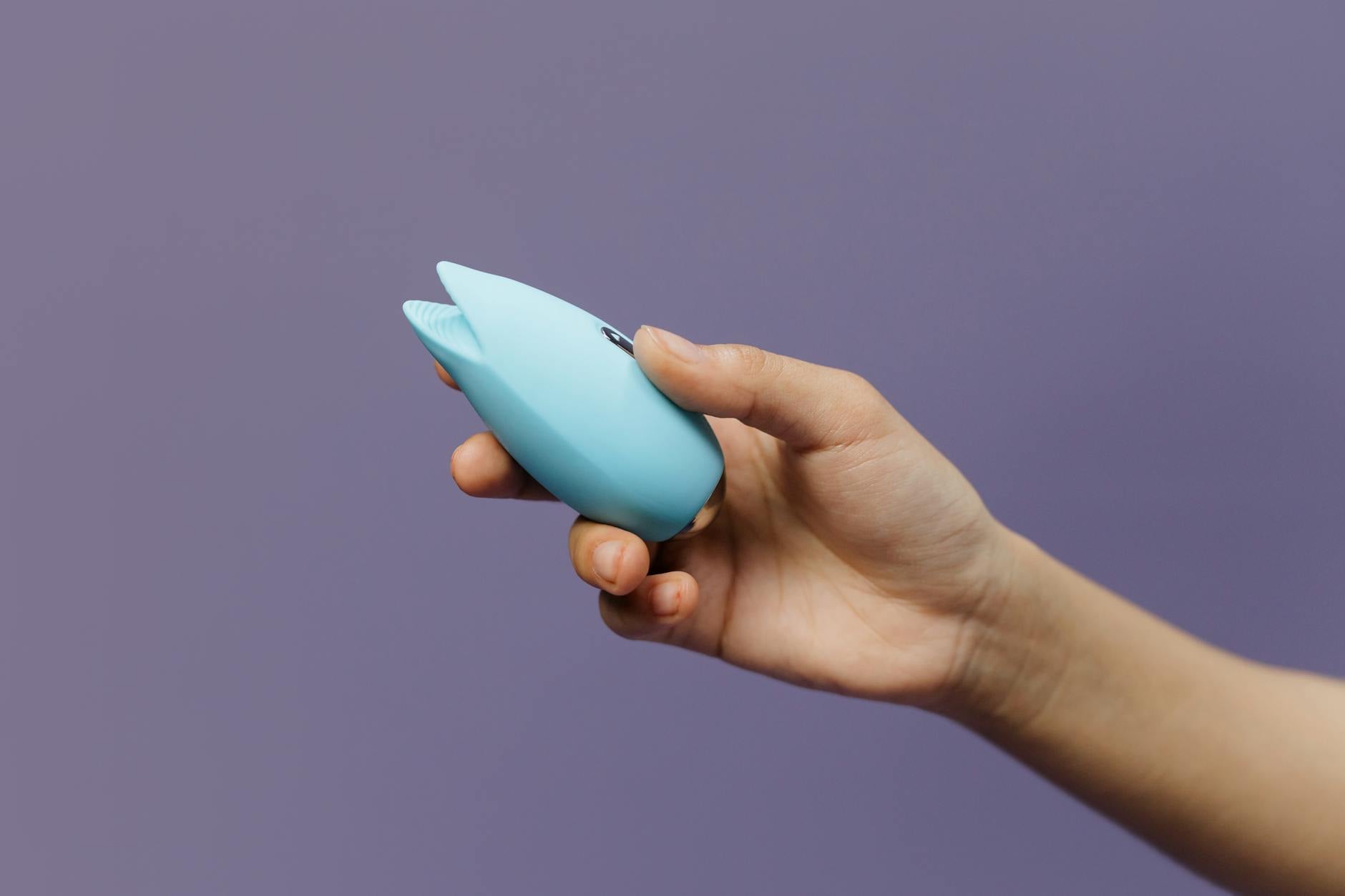
A lemon suction vibrator like the Lemon Clitoral Vibrator works by combining two things: rhythmic pulsing and focused suction. This is crucial when you're on antidepressants.
Here's the mechanics. Suction creates negative pressure, which engorges tissue and amplifies sensation in a way that traditional vibration doesn't. It's not just stimulating the surface of the clitoris. It's creating a seal that pulls blood flow directly to the nerve endings and concentrates stimulation in a way your dampened nervous system can actually register.
When you layer in the pulsing pattern, you're adding rhythm that your brain can track and anticipate. This predictability, combined with the intense focus, creates a sensation profile that cuts through the numbing effect of SSRIs.
It's not that lemon adult toys are magic. It's that they're engineered for a different kind of stimulation. And when your nervous system is operating at baseline-plus-medication, that different approach changes everything.
Starting with the right intensity level
Let's talk about how to actually use a lemon vibrator when you're on antidepressants, because the wrong technique will just frustrate you.
Most people dive straight into the highest setting. Don't. Start at pattern 1 or 2. I know this sounds counterintuitive when your goal is to feel something. But here's why it works. Your baseline sensitivity is lower, yes. But your nervous system can still overload. Starting low and building up helps you find the sweet spot where sensation registers without creating tension that blocks arousal.
Spend at least 10 to 15 minutes at each lower level. Your body needs time to register the stimulus and respond to it. Antidepressants slow down the arousal cascade. You're not being difficult. You're just working with a different timeline.
Only after 15 plus minutes should you consider moving up to pattern 3 or 4. By that point, your tissue will be more engorged and your nervous system more primed. The sensation will feel different. Stronger. More real.
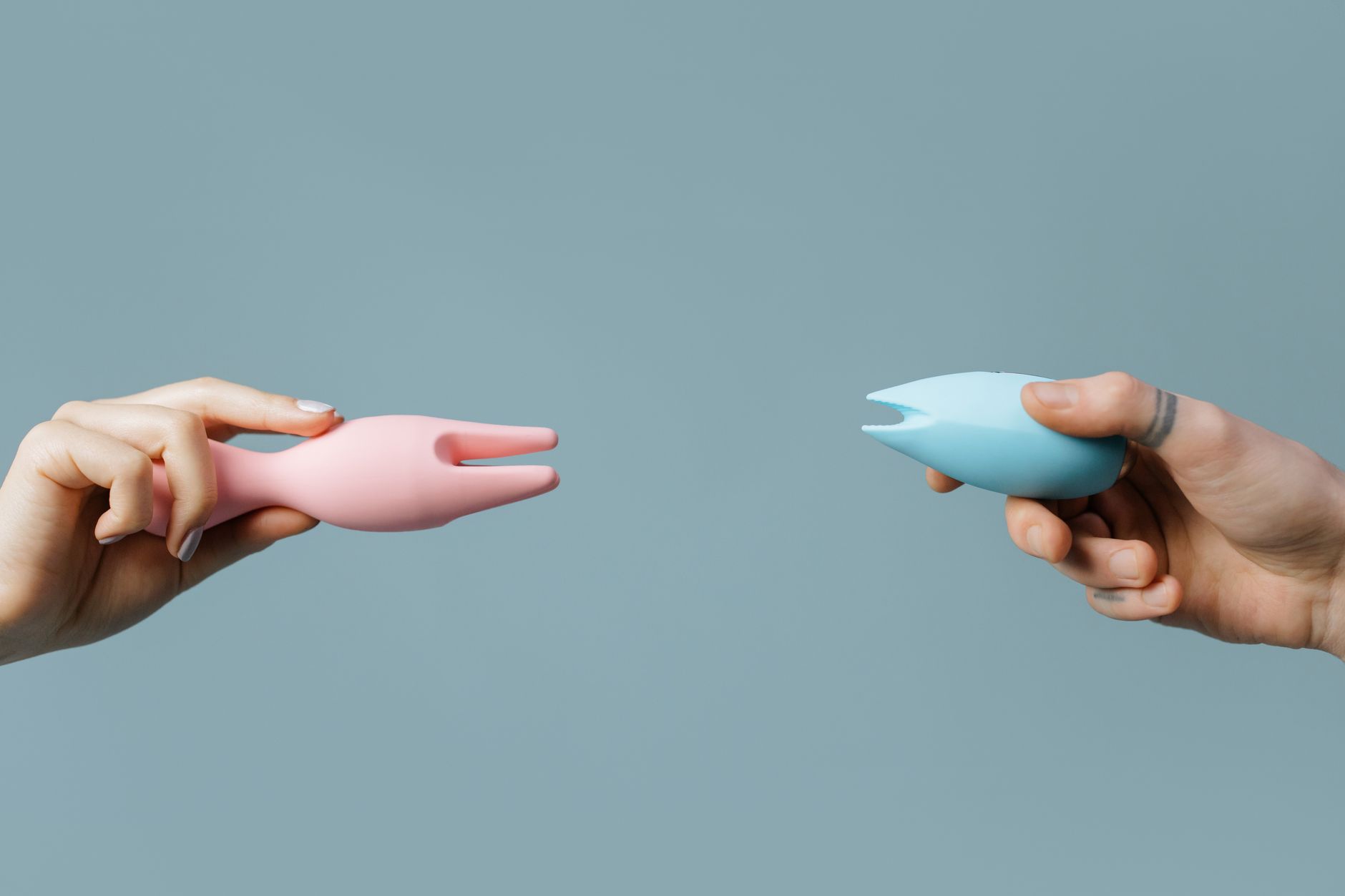
Photo by cottonbro studio on Pexels
The warm-up you actually need
Warm-up is non-negotiable when you're using a lemon clitoral vibrator on antidepressants. Not for show. For actual arousal.
Spend the first 5 to 10 minutes on non-genital touch. Touch your own skin. Your neck, your breasts, your inner thighs. This isn't foreplay in the traditional sense. This is priming your parasympathetic nervous system and signaling to your body that pleasure is the agenda for the next hour.
When you do move to the vibrator, use your hand to manually stimulate around the clitoris first. This gives your tissue time to engorge before you apply suction. Manual stimulation is slower, more variable, and helps bridge the gap between resting state and aroused state in a way that a tool can't do alone.
Then introduce the lemon vibrator at a low setting. Let the suction build gradually. Breathe. Don't chase sensation. Let it come to you.
Working with your partner if you have one
If you're partnered and you want to use a lemon clitoral vibrator together, the dynamic changes. Here's what actually works.
Tell your partner that you need longer. Longer warm-up. Longer time on the vibrator. Longer before orgasm is even on the table. Most partners interpret extended stimulation as a sign they're doing something wrong. They're not. They're just working with a body that's on medication.
If they're the one holding the vibrator, ask them to follow your cues on intensity. Your job is to say out loud when you're ready to move up a level. Their job is to listen. This sounds simple. It fixes almost everything.
Also, ask them to stay present and patient. The pressure to orgasm when you're on antidepressants creates performance anxiety, which is the exact opposite of what you need. If your partner is texting on their phone or seems bored, your nervous system registers that and clamps down. Presence matters more than you'd think.
What to expect on your timeline
Honestly though, expect that orgasm might take 20 to 40 minutes. This is normal. This is medication. This is not your body being broken.
Some people find that orgasm happens more easily in certain positions. Lying on your back with the vibrator angled toward your body often works better than sitting upright. Gravity and angle matter when sensation is dampened.
Some people also find that orgasm quality changes. It might feel less intense than it did before medication. Or it might feel differently intense. Both are real responses to SSRIs. The pleasure hasn't disappeared. It's just reshaped.
If orgasm doesn't happen on a given day, that's information, not failure. Your nervous system is also affected by stress, sleep, hydration, and cycle hormones. Some days are better than others. The vibrator isn't a guarantee. It's a tool that dramatically improves your odds.
When to talk to your doctor
If you're struggling with these side effects, your prescriber should know. Not to make you feel ashamed. To potentially adjust your medication, add something else, or try a different SSRI altogether.
Some antidepressants flatten sexual response more than others. Some people find that taking the dose at a different time of day helps. Others benefit from adding bupropion (Wellbutrin), which works through a different mechanism and can actually enhance sexual response.
Your sexual function matters. It's not a luxury. It's part of your quality of life. A good prescriber will have this conversation with you. If yours doesn't, that's worth addressing directly.
The bigger picture
Using a lemon clitoral vibrator when you're on antidepressants is not about forcing pleasure. It's about meeting your body where it actually is right now. Your medication saved your mental health. A good tool, used with patience and the right technique, can help you reclaim pleasure in the body that medication has changed.
You don't have to choose between mental health and sexual pleasure. Those are false choices. With the right approach, you get both.
People also ask
Can I use a regular vibrator instead of a lemon vibrator for antidepressant sexual side effects?
You can try, but lemon suction vibrators are specifically engineered to work better. Traditional vibrators rely on surface-level vibration, which doesn't cut through the dampening that SSRIs create. Suction technology creates focused, intense stimulation that reaches through that numbness. Many people spend months struggling with regular vibrators before trying a suction tool and finding immediate relief. If you already have a traditional vibrator, experiment with it. But if you're not getting results, a lemon clitoral vibrator is worth the investment.
Does the medication dose affect how bad the sexual side effects are?
Generally yes. Higher doses tend to create more noticeable sexual dampening. But not always. Some people notice intense side effects at lower doses and adapt to higher doses over time. Others find that their sexual response worsens as they stay on medication long-term. If you're newly on an antidepressant and your sexual response feels completely shutdown, give it 4 to 6 weeks. Some adaptation happens on its own. If nothing improves by week 8, that's a conversation to have with your prescriber.
Will my orgasm feel normal again if I switch antidepressants?
Maybe. Some SSRIs cause fewer sexual side effects than others. Sertraline (Zoloft) and fluoxetine (Prozac) are notorious for sexual dulling, while escitalopram (Lexapro) and mirtazapine (Remeron) tend to have lower sexual side effect rates. But individual response varies wildly. The only way to know is to try. If your current medication is otherwise working well, switching mainly for sexual side effects can backfire if the new medication doesn't work for your depression. Talk to your prescriber about whether a switch makes sense for you specifically.
Is it normal to take 30 plus minutes to orgasm on antidepressants?
Completely normal. This is one of the most common side effects, and the time extension is real. Some people adapt over months and find that the timeline shortens slightly. Others find it stays extended for as long as they're on medication. What matters is that orgasm is still possible. If it's happening, even if it takes longer, that's a win. If it's not happening at all, that's a different conversation with your doctor.
Does alcohol help with antidepressant sexual side effects?
No. Alcohol can temporarily reduce sexual inhibition, but it also dampens sensation further and can interfere with medication efficacy. It's not a solution. The actual solutions are patience, the right tool, and medication management with your prescriber.
Can I take a break from my antidepressant on days when I want to have sex?
No. Please don't do this. Stopping antidepressants suddenly can cause withdrawal symptoms, rebound depression, and increased anxiety. It's not safe. Your medication is not optional on certain days. The solution is to work with your medication, not to skip it. A lemon vibrator plus patience will get you results safely.
The journey back to pleasure while on antidepressants isn't about forcing your body to work the way it used to. It's about understanding how your body works now, using tools that match that new reality, and giving yourself permission to need a different approach. That's not loss. That's adaptation. And honestly, it often leads to a deeper relationship with your own pleasure because you're paying attention and being intentional instead of on autopilot.
If you're struggling with this, you're not alone. Reach out to Hello Nancy if you have questions or want to explore what might work best for your specific situation.