Let's talk about clitoral pain nobody mentions
Clitoral pain is real, it's common, and it's almost never a sign that pleasure is off-limits. But most of what you'll read online skips right past the nuance: pain during direct touch doesn't mean your clitoris is broken. It usually means you need a different approach.
That's where air-suction lemon vibrators change the conversation.
What clitoral pain actually means
Clitoral sensitivity comes in flavors. Some people have a clitoris so reactive that even the softest touch feels sharp or overwhelming. Others develop pain after years of friction from traditional vibrators. Some experience it only at certain times of their cycle or after specific activities. A few have underlying conditions like vulvodynia or lichen sclerosus that require medical care.
Here's the crucial part: sensitivity isn't a verdict. It's information. It's your body saying "this approach doesn't work right now." That's fixable.
The old model goes like this: vibrator goes directly on clitoris, friction increases sensation, orgasm happens. If friction causes pain, people assume vibrators are off the table. Wrong conclusion. The real issue is friction itself.
Why air-suction lemon vibrators work differently
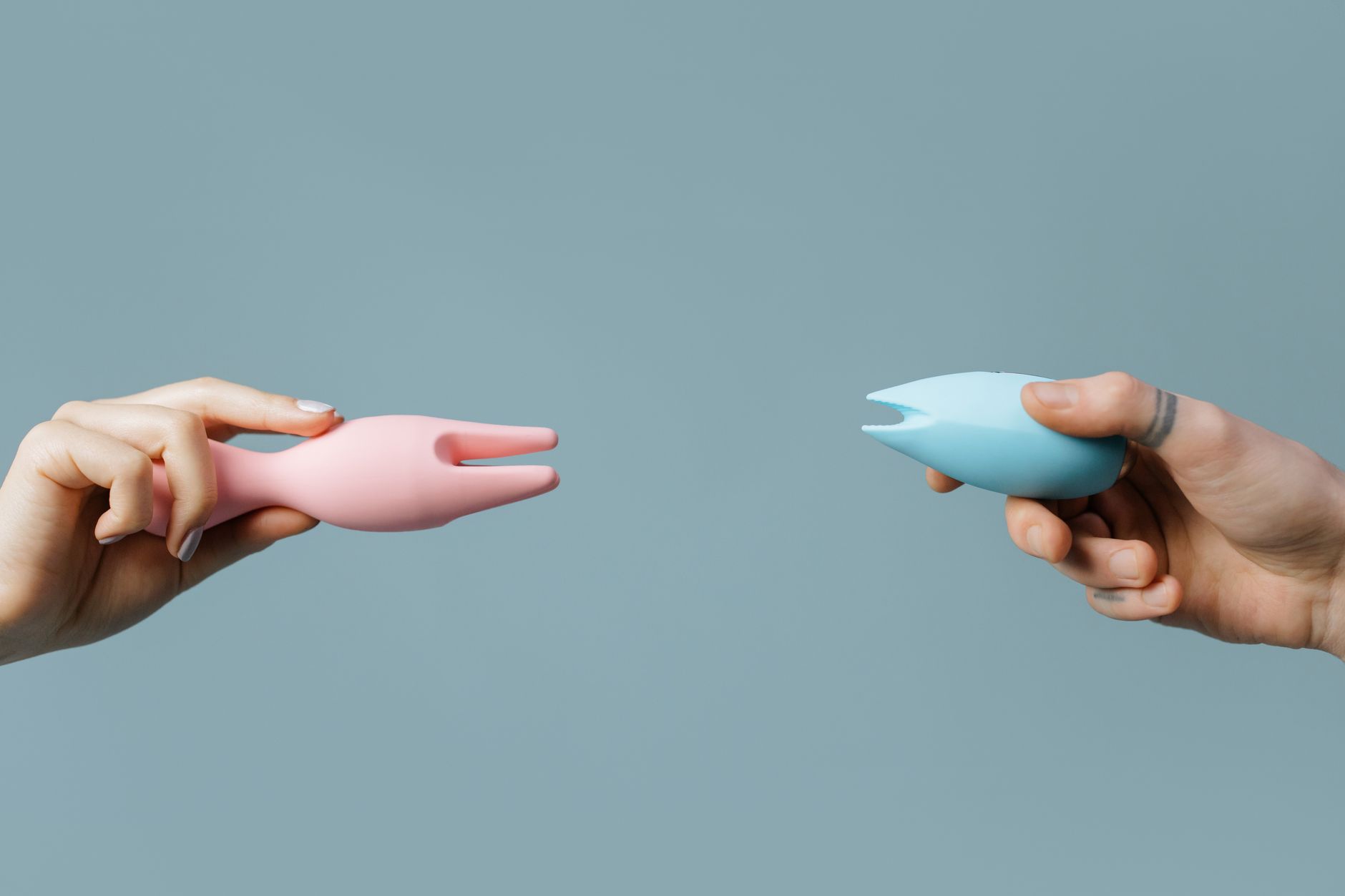
Air-suction toys like the Lem work on a completely different principle. Instead of vibrating against tissue, they create gentle suction and release patterns that stimulate the clitoris without direct friction. Think of it as a kiss instead of a tap.
For people with sensitive or painful clitori, this matters wildly. You're getting stimulation to the same nerve endings, but without the mechanical pressure that triggers pain. The sensation is deeper, more diffuse, and for most people with reactive tissue, way more tolerable.
I've worked with clients who tried dozens of vibrators and gave up entirely. Then they tried an air-suction device and, for the first time in years, orgasms felt possible without dread.
Starting slow with sensitive tissue
Even with lemon clitoral vibrators, you need a warm-up period if your tissue is tender. Here's my protocol.
Day one through three: Hold the Lem above your clitoris without turning it on. Just get used to the sensation of proximity. I know this sounds absurdly basic, but desensitization to the object itself matters when you're rebuilding trust in pleasure.
Days four through seven: Turn it on at the lowest pattern (pattern one) and use it on your inner thigh or labia first. Not on the clitoris. You're training your nervous system to recognize the sensation as safe.
Week two: Move to the clitoris, still at pattern one, but only for 30 seconds at a time. Rest. Observe. Notice what's happening without judgment.
Week three onward: Gradually extend duration and explore patterns two and three if pattern one feels solid. The jump from pattern one to pattern four is significant. Don't skip steps.
This timeline isn't arbitrary. It's about nervous system recalibration. Clitoral pain often has a fear component attached. Your body learned that direct stimulation equals pain, so it tenses up when you approach. Slow exposure rewires that.
Lube, the unsung hero
Even with air-suction, lubrication helps. Not because you're producing insufficient natural lubrication, but because it creates a seal and improves the suction sensation.
Use water-based lube. It's compatible with silicone toys and won't degrade the Lem. A small amount goes a long way. Apply it around the clitoral hood and labia, not just directly on the clitoris. The suction works better when there's a light seal.
If you find yourself getting irritated after use, you might be using too much lube or applying pressure with the toy itself. Air-suction is meant to feel gentle. If you're pressing the Lem hard against your body, you're reverting to the friction-based approach.
The role of position and pelvic floor tension
Clitoral pain often worsens if your pelvic floor is already tight. Many people with reactive tissue unconsciously clench their pelvic floor in anticipation of pain. That clenching amplifies sensitivity.
Before using your lemon vibrator, spend two minutes just breathing into your pelvic floor. Lie on your back, let your legs fall open, and notice where you're holding tension. Exhale and imagine the muscles loosening. This isn't meditation fluff. Physical relaxation genuinely changes what you can tolerate.
Position matters too. Lying on your back with a pillow under your hips gives you the most control and the least additional pressure on the area. Standing or sitting can add unwanted tension.
When to involve a partner
If you're in a relationship and you're navigating clitoral pain, the conversation with your partner needs clarity. "My clitoris is sensitive" is different from "I don't want to be touched." One is a technical adjustment. The other is a boundary.
Try using your Lem with your partner present but not controlling the toy. You maintain all the power. Your partner can see what works, feel less shut out, and learn that pleasure is still on the menu. Many couples find this actually deepens their connection because it removes the pressure to "fix" things and instead creates space for discovery together.
If your partner feels intimidated by toys, that's a separate conversation worth having. They might fear being replaced or worry that they're not enough. Spoiler: toys don't replace partners. They expand what's possible. Sometimes that's easier to understand when you're both involved in the process.
What's actually happening when lemon vibrators feel too intense
If even pattern one feels too strong, you have a few options.
First, make sure you're not holding tension in your pelvic floor. That's the number one reason air-suction toys feel overwhelming. Your body is clenching against the stimulation, which amplifies it.
Second, position the Lem against your clitoral hood rather than directly on the clitoris. The hood has fewer nerve endings and filters the sensation. As your tolerance builds, you can move lower. This is a legitimate long-term strategy, not a compromise.
Third, keep the toy further away. You don't need direct contact for suction to work. Moving the Lem half an inch back changes the intensity without losing the sensation. Experiment.
If none of that works and even the gentlest setting causes sharp pain, it's time to see a healthcare provider. Some pain indicates inflammation, infection, or conditions that need medical attention. That's not a failure. That's being smart.
Building pleasure back after painful experiences
Clitoral pain often has a history. Maybe it started with friction from conventional vibrators. Maybe it developed after a specific medical event or years of penetrative sex that didn't work. Maybe it just appeared without obvious cause.
Here's what I know from working with people rebuilding their sex lives: patience genuinely pays off. Your clitoris isn't broken. Your approach was just mismatched to your tissue.
Take the timeline seriously. Don't rush from week one to pattern four because you're impatient. Your nervous system is learning. That learning needs repetition and safety. The fastest way forward is the slow way.
Over weeks, most people notice their tolerance increasing. Pattern one becomes comfortable. Pattern two feels interesting. By week six or eight, many people have the first pain-free orgasms they've had in years. That's not magic. That's nervous system healing.
Your pleasure matters, even when your tissue is tender. Especially then.
People also ask
Can I use a lemon vibrator if I have vulvodynia?
Vulvodynia is generalized pain in the vulva that happens with or without touch. If you have a vulvodynia diagnosis, air-suction toys are gentler than traditional vibrators, but you'll still want to start incredibly slowly and watch for flare-ups. Many people with vulvodynia do find that the Lem works where other vibrators didn't. That said, work with a pelvic floor physical therapist in parallel. Toys help, but they're part of a larger treatment plan, not the whole solution.
Is clitoral pain a sign of an infection or STI?
It can be, but it's often not. Pain without discharge or fever usually points to sensitivity, tension, or irritation rather than infection. But if you have pain plus discharge, burning during urination, or fever, get tested. Don't assume it's normal sensitivity. A quick check from a healthcare provider gives you peace of mind and rules out treatable conditions.
How long does it take to feel comfortable with air-suction toys if I have sensitive tissue?
For most people, noticeable improvement happens within two to three weeks of consistent, slow use. Full comfort can take six to eight weeks. That timeline isn't universal. Some people feel ready in ten days. Others need three months. The key is not comparing your timeline to anyone else's. Your nervous system is learning at its own pace.
Can I use numbing cream or pain medication before using a lemon vibrator?
No. Numbing products mask the pain signals your body is sending, which means you might accidentally hurt yourself and not notice. Pain is information. If using your toy causes pain, the answer isn't to numb the pain. It's to back off and try a gentler approach. Once you're pain-free, you don't need anything except lube and patience.
What if clitoral pain only happens with partners and not alone?
That usually means anxiety or pressure is playing a role. When you're alone, you're in complete control and there's no performance expectation. With a partner, many people tense up. Try using your Lem with your partner watching but not touching. You direct everything. This often helps your nervous system separate "partner present" from "pain imminent," which is a major shift.
Should I see a specialist before trying air-suction lemon vibrators?
Not necessarily. If your pain is sharp, constant, or accompanied by other symptoms, definitely get checked out first. But mild to moderate sensitivity often responds beautifully to a different stimulation approach. Try the Lem with the protocol outlined above for three weeks. If you're not seeing improvement or if pain worsens, then schedule a visit. You'll have useful information to share with your provider.
The actual bottom line
Clitoral pain isn't a barrier to pleasure. It's a redirect. Air-suction lemon vibrators redirect stimulation in a way that works for reactive tissue. Pair that with patience, the right lube, and nervous system awareness, and most people get back to having orgasms that feel good, not stressful.
Your clitoris has nerve endings that can sing. They just needed the right kind of touch. That's what the Lem is for.
Ready to explore how this might work for you? Get in touch if you have questions or want personalized guidance on getting started.
References
Albin, R. A., et al. (2018). Genital pain disorders in women. The Permanente Journal, 22, 17–157.
Goldstein, A. T., & Pukall, C. F. (2017). Vulvodynia. Obstetrics and Gynecology, 129(2), 311–320.
Mercer, C. H., et al. (2013). Sexual function problems and help-seeking behaviour in Britain. The Lancet, 382(9907), 1795–1804.
Van Lankveld, J. J. D. M., & Slob, A. K. (1991). Refractory periods in human sexual responses. Archives of Sexual Behavior, 20(4), 383–394.