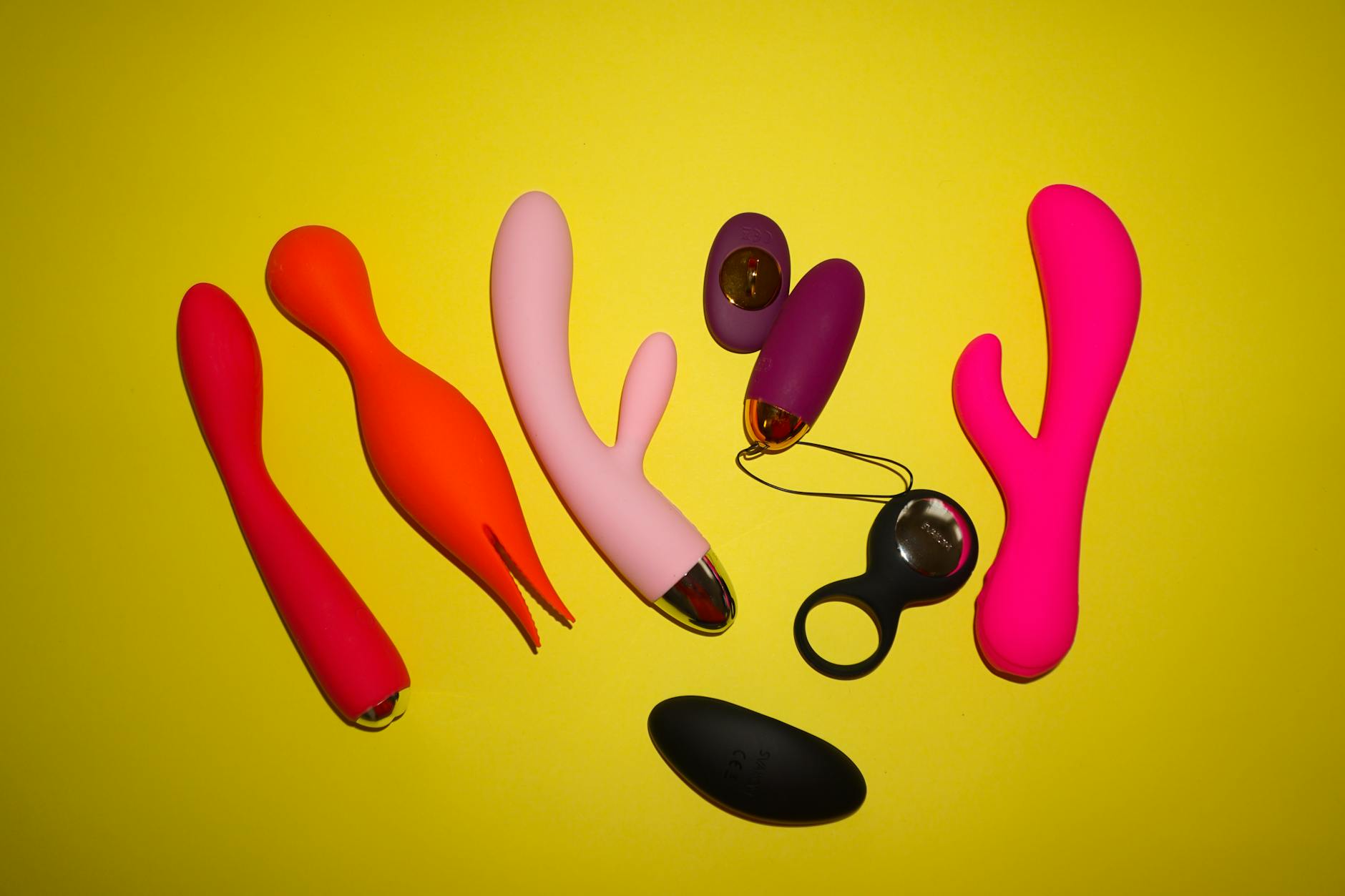
Here's the thing about lubrication and vibrators
Insufficient natural lubrication is one of the most common reasons people abandon vibrator use entirely. They assume the toy isn't for them, or that their body has stopped responding. What actually happens is simpler: texture matters more when wetness is reduced, and most people have never learned to layer external lube the way lemon vibrators need it.
Lubrication isn't just about comfort. It changes how sensation travels through tissue. Without it, even the gentlest vibrator can feel scratchy or irritating. With it, the same toy can feel luxurious.
Why natural lubrication depletes (and what's actually happening)
Low natural lubrication comes from a dozen different sources. Hormonal changes are the obvious one. But dehydration, stress, certain medications, antihistamines, caffeine, even your sleep quality the night before all affect how much fluid your body produces. Some people's bodies simply produce less. That's not dysfunction. It's just biology.
The clitoral tissue itself is incredibly sensitive to texture. When you have plenty of natural lubrication, that moisture acts as a buffer. It distributes vibration evenly across delicate nerves. Without it, the vibration can feel concentrated and sometimes uncomfortable rather than pleasurable.
Here's what doesn't change: your capacity for sensation, your nerve density, or your ability to orgasm. You're not broken. You just need a different approach.
External lubrication types that work best with lemon vibrators
Not all lubricants are created equal, especially when you're using clitoral vibrators. Here's what I recommend to clients:
Water-based lube is your baseline. It's compatible with every toy material, it washes off easily, and it feels closest to natural lubrication. Brands matter less than consistency. You want something with enough slip that the vibrator glides smoothly, not something that dries out in two minutes. If your first water-based lube feels thin, try another brand. They're not all the same.
Silicone-based lube feels richer and lasts longer, but it cannot touch silicone toys. If your lemon clitoral vibrator is silicone, silicone lube is off the table. Some people with sensitive skin find water-based products irritating and prefer oil-based alternatives like coconut oil, but those can degrade certain materials over time.
Hybrid lubes (silicone and water blend) split the difference. They're thick, long-lasting, and compatible with silicone toys, but they're harder to clean off. If you're not into cleanup afterward, hybrid might feel tedious.
My go-to recommendation: start with a good water-based lube. It's forgiving, accessible, and you'll learn quickly whether your issue is actual lubrication shortage or just using the wrong product.
How to apply lube so it actually stays put
Most people apply lube wrong, which means it dissipates in seconds and they assume it didn't work. Here's the technique that changes everything.
Apply lube in two layers. First, use your finger to spread a thin layer directly onto the clitoral area. This preps the tissue and gives the vibrator something to work with immediately. Wait 10-15 seconds. Then, apply a second, thicker layer onto the vibrator tip itself.
Why two layers? The first layer hydrates the tissue. The second layer keeps the vibrator gliding smoothly without friction. Together, they create a stable cushion that lasts through a full session.
If you're using a lemon vibrator or similar clitoral toy, the suction or pulsing sensation works better when there's adequate lubrication between the toy and your skin. Without it, you lose that gentle seal and the sensation flattens.
During your session, check in with yourself every few minutes. If things feel drier, add more lube. This isn't a sign something is wrong. It's normal. Your body isn't failing you. The environment just needs adjustment.
Positioning and pressure adjustments when lubrication is low
Lubrication shortage often pairs with sensitivity or slight tissue irritation. Positioning matters here more than anywhere else.
Instead of pressing the vibrator directly against your clitoris, try angling it slightly to the side. The tissue on the side of the clitoral area is often less sensitive and responds beautifully to vibration without the pressure feeling intense. This is especially true if you're coming back to pleasure after a long break or if your tissues are thinner from hormonal shifts.
Also lower your intensity settings than you think you need. If you're used to patterns 5 or 6 on a clitoral vibrator, try starting at 2 or 3. Lubrication shortage often pairs with heightened sensitivity, not decreased sensitivity. Your tissue can feel more stimulation, not less. Higher intensity can then feel overwhelming instead of pleasurable.
Build up slowly. Spend time at lower settings before escalating. You might find that pattern 3 with solid lubrication and good positioning delivers more sensation than pattern 6 without it.
The role of hydration and overall wellness
I ask every client about water intake. It sounds basic, but dehydration directly impacts lubrication. Your body produces less fluid overall when you're chronically dehydrated, and that includes vaginal secretions.
Same goes for stress and sleep. When you're running on fumes, your body has less energy to devote to producing lubrication. It sounds unfair. But it's biology.
The week before your session, pay attention to these three things: Are you drinking enough water? How are you sleeping? What's your stress load? If all three are rough, don't blame your body. Address the baseline first.
This doesn't mean you can't have pleasure on a stressful day. It means you'll need external lube more. That's not a failure. That's adaptation.
When to consider medical evaluation
Most lubrication issues resolve with lube, positioning adjustments, and patience. But some don't. If you're experiencing pain, not just reduced sensation, or if lubrication has dropped dramatically over a short period, talk to a healthcare provider.
Genitourinary syndrome (tissue thinning from hormonal shifts) is treatable. Certain medications have side effects that can be adjusted. Dehydration from thyroid issues or other conditions needs addressing at the root.
You're not being dramatic by asking. Your comfort matters.
Rebuilding confidence when sensation has stalled
Long periods without pleasure, especially if they involved discomfort, can create psychological hesitation. You might approach vibrator use thinking, "This won't work for me anyway." That belief becomes a real block.
Honestly? Start small. Use a lemon clitoral vibrator with full lube support at low intensity just for 5 minutes. That's not a "real" session. It's a recalibration. Your nervous system needs to learn that vibration equals safety and pleasure again, not frustration.
If you're partnered, how to use a lemon vibrator when your partner is uncomfortable with sex toys covers the conversation part. But the sensation rebuild is solo work. It's about you and your body relearning each other.
FAQ: Lubrication and lemon vibrators
Q: Will using external lube constantly make my body produce less natural lubrication?
No. Your body's lubrication production is set by hormones, hydration, and stress, not by outside use. Using external lube won't suppress your natural response. If anything, reducing friction and pain makes it easier for your nervous system to relax and respond naturally over time.
Q: Which water-based lube is safest for sensitive skin?
Look for formulas without glycerin if you're prone to yeast infections, and avoid alcohol-based products if your tissue is irritated. Brands that specifically market to people with sensitive vulvas (Sliquid, Hyalo Gyn) tend to have fewer irritants. But reactions are individual. If something causes burning or itching, rinse it off and try a different product.
Q: Can I use my partner's lube if mine runs out?
Only if you've both tested it on your own bodies first. Lubes that work beautifully for one person can irritate another. Also make sure you're using something compatible with your lemon vibrator material. Silicone lube on a silicone toy is a no-go.
Q: Does reduced lubrication mean I'm less aroused?
Not necessarily. Arousal and lubrication are connected but separate. Some people stay dry naturally. Some people produce plenty of fluid but don't feel mentally turned on. Some feel mentally aroused but their body doesn't respond as noticeably anymore. All of these are normal. Lubrication is one signal, not the whole story.
Q: How long should I wait after applying lube before using my vibrator?
A few seconds for the first application. If you're applying it in two layers like I described, wait 10-15 seconds between layers so the tissue can absorb the first coat. Then use the vibrator immediately. You don't need to wait longer than that.
Q: Is store-bought lube or homemade better for clitoral vibrators?
Store-bought. Homemade alternatives like coconut oil might feel nice, but they can degrade certain toy materials, they're harder to clean off, and they're not formulated for compatibility with delicate tissue. Stick with products designed for intimate use.
The bottom line
Low natural lubrication is annoying, but it's not a barrier to pleasure. It's a detail that needs managing, like anything else in life. Layer your lube, adjust your positioning, start low on intensity, and give your body time to remember that vibration feels good.
If you're ready to revisit pleasure after a break, start with a straightforward clitoral vibrator like a lemon toy and full external support. You'll be surprised how quickly sensation returns when the physical conditions are right.
Have questions about finding the right toy for your needs? Reach out to us and we'll help you figure out what might work best for your body.