Let's start where you actually are
Your body just went through something. Maybe surgery. Maybe months of treatment. Maybe an illness that left you disconnected from sensation, tired, or in pain. And now you're wondering if pleasure is even still an option for you. That question matters, and the answer is yes. But getting there isn't about jumping back to where you were. It's about meeting yourself where you are right now.
Recovery rewires what feels good. Pain changes how your nervous system responds to touch. Medication alters sensation. Scar tissue shifts where stimulation feels comfortable. These aren't failures. They're just new information you need to work with, not against.
Why sensation often feels different after recovery
When your body goes through surgery or extended illness, several things shift simultaneously. Your nervous system has been in protection mode. Medication may still be in your system, dulling sensation or creating numbness. Scar tissue, if there is any, changes how nerve signals move through that area. Anxiety about "doing it wrong" or causing pain creates muscle tension that makes touch feel less pleasurable.
And here's the thing nobody tells you: your clitoris doesn't stop working after surgery or illness. But the pathway to pleasure often gets noisier. There's static. There's fear. There's fatigue. Your job isn't to push through all that. It's to create conditions where sensation can happen despite it.
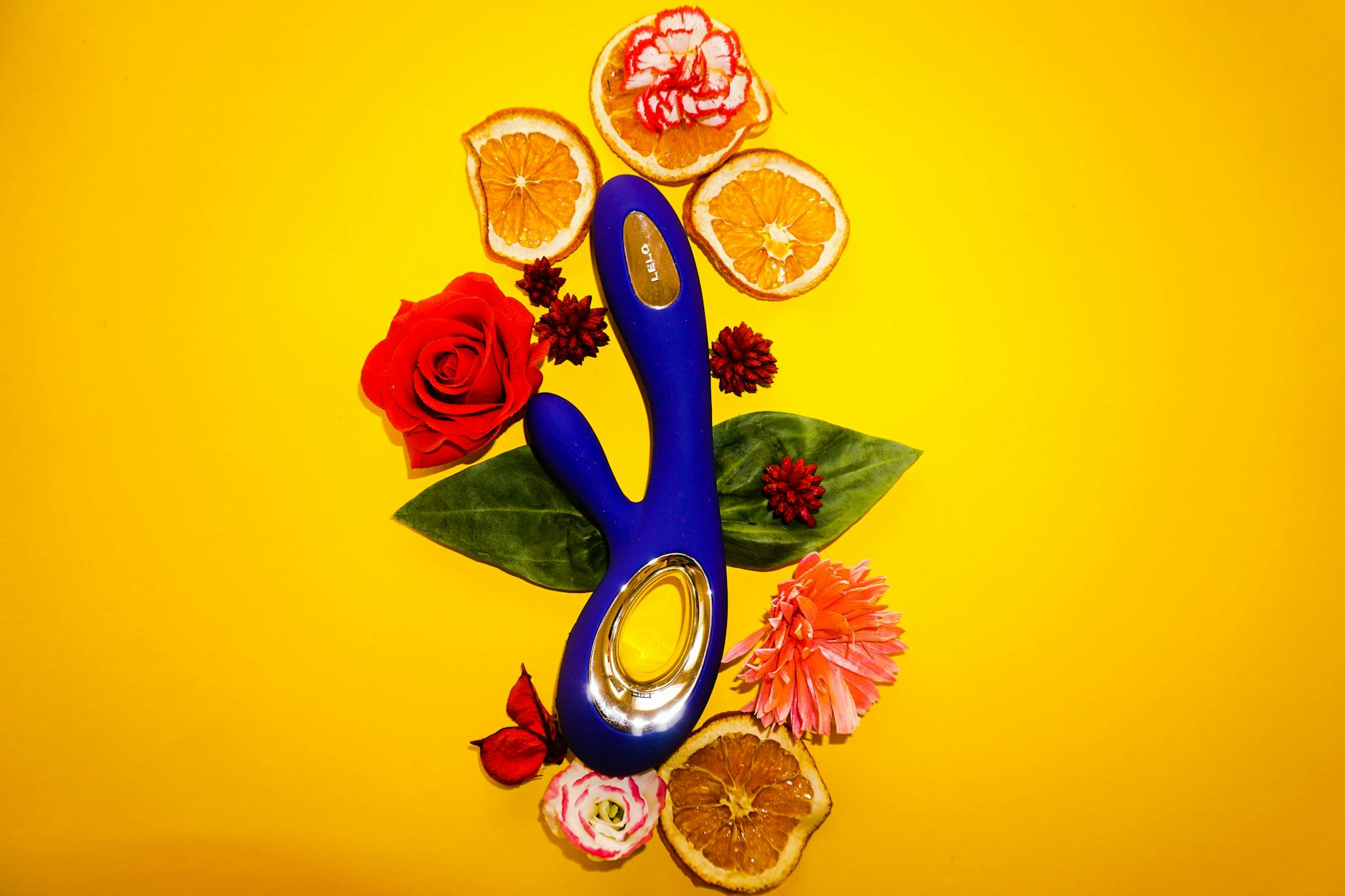
That's where lemon vibrators, specifically, become useful. The suction-based stimulation of a device like The Lem doesn't require the intense direct friction of a traditional vibrator. For bodies in recovery, that gentleness matters. You're not forcing sensation to happen. You're inviting it.
Timeline matters more than you think
I work with clients rebuilding pleasure after everything from hysterectomy to chemotherapy to reconstructive surgery. The most common mistake is thinking the timeline works the same way for everyone. It doesn't.
If your surgery was less than six weeks ago, stop here. Your job right now is healing, not exploration. Talk to your surgeon about when external genital touch is safe. This matters.
If you're four to eight weeks out and cleared for activity, you're in the early exploration phase. This is about curiosity without expectation. Try things. Notice what doesn't hurt. Pay attention to sensation without the pressure of reaching an orgasm.
If you're three months or more out and physically healed, you're in the rebuilding phase. Now you can use tools like lemon clitoral vibrators to retrain your nervous system to recognize pleasure again. You're not chasing the orgasms you used to have. You're discovering what this new body can feel.
Start with a reality check: what does touch feel like right now?
Before you even think about using a lemon vibrator, spend a week just noticing. Touch your outer labia gently. How does it feel? Sharp? Numb? Tingly? Tender? Anxiety-producing? All of the above?
Notice where touch feels neutral versus where it feels loaded with fear or memory. If surgery involved your vulva or pelvic area directly, there may be spots that feel off-limits in your nervous system even if they're physically healed. That's normal. Your body is being cautious. Respect that.
Write down three to five observations. Not judgments. Just observations. "The left side feels more sensitive than the right." "Touch near the scar creates anxiety." "I have numbness from hip to mid-thigh." This is your baseline. You'll come back to it.
When you're ready: the lemon clitoral vibrator approach
Why a lemon vibrator specifically for recovery bodies? The suction mechanism is fundamentally different from vibration. It creates a gentle seal and releases in a rhythm. For bodies with altered sensation or anxiety about direct touch, this gentleness is often more accessible than a traditional vibrator. It feels less clinical, more like the body is being held.
Here's how to approach it:
First session: just the device, no expectation. Turn it on at pattern 1 or 2. Don't use it yet. Hold it in your hand. Feel the vibration without it being on your body. Get familiar with how it sounds, feels, moves. Anxiety loves the unknown. You're removing the unknown.
Second session: external only, no pressure. Place the suction cup on your inner thigh first. Not on your clitoris. Just on the soft skin of your thigh. Notice what the sensation is. Is it pleasant? Overwhelming? Numb? Stay there for two to three minutes. Then try your outer labia. Explore the edges of what feels okay. Your goal is sensation, not stimulation. You're not trying to come. You're trying to feel.
Third session and beyond: same pattern, different areas. If the outer labia felt okay, try it there again. Still at pattern 1 or 2. Still with zero pressure to feel pleasure. You're slowly teaching your nervous system that gentle suction is safe. That pleasure might be possible. That your body hasn't abandoned you.
Photo by cottonbro studio on Pexels
Medication and sensation: what to know
If you're still on pain medication, antidepressants, or anti-anxiety medication, understand that these are affecting your baseline sensation. That's not failure. That's how these medications work. Some numb sensation. Some make orgasm harder to reach. Some change what feels good.
Don't stop medication to feel pleasure. That's backwards. But do talk to your doctor about timing. Taking medication an hour after using a lemon vibrator instead of right before might make a difference. Some of my clients found that using lemon adult toys at a different time of day, when medication levels were lower, created better sensation.
If medication is substantially flattening pleasure even months out, bring it up with your prescriber. There are often alternatives. Sometimes a dose adjustment helps. You deserve to feel things again. That conversation is worth having.
When scar tissue or numbness is the main issue
Physical recovery from surgery sometimes leaves behind scar tissue or nerve damage that creates numbness or altered sensation in specific spots. A lemon vibrator can actually help retrain sensation here, but it takes time and patience.
The suction-based stimulation of lemon sexual toys activates nerve endings in a different way than traditional vibration. Some of my clients found that consistent, gentle use over weeks or months gradually brought sensation back to numb areas. Not always completely. But enough to feel pleasure again.
If you have scar tissue that causes pain, don't push through it with a vibrator. That's re-traumatizing your nervous system. Work with a pelvic floor physical therapist first. Then introduce the lemon vibrator once you've had clearance. The vibrator works best as part of a broader recovery plan, not as a solo solution.
Rebuilding partnership during your recovery
If you have a partner, this recovery phase is a conversation, not a surprise. You're not supposed to suddenly want sex again once you're physically healed. Your nervous system, your confidence, and your body image are all reorganizing. That takes time.
Let your partner know what you're doing with a lemon clitoral vibrator and why. Not as an invitation necessarily, but as information. "I'm rebuilding sensation on my own because my body feels different after surgery. This is part of my healing." A good partner will understand that this is about you learning your body again, not about them.
Some couples use this as an opportunity to rebuild intimacy together. That can happen. But only if you want it. Your pleasure during recovery is for you first. Any partnership aspect is secondary.
What to do when things don't go according to plan
You might spend three weeks gently using a lemon vibrator and feel nothing. Or you might feel pain. Or you might get overwhelmed by emotion unexpectedly. These are all normal. Recovery isn't linear.
If you feel pain, stop. Pain is information that something isn't healed yet or that your nervous system still needs more time. Give yourself more time. Check in with your doctor if the pain persists.
If you feel nothing, that's not failure. Numbness after surgery or illness is common and usually temporary. Keep going gently. The sensation often returns, but on its own timeline, not yours. You're not broken. You're just still healing.
If you get emotional, that's actually a sign it's working. Your body is waking up. Old feelings might surface. Grief. Anger. Fear. Let them. You don't have to push through anything. You're allowed to stop, cry, and come back to this tomorrow. Pleasure doesn't have to be achieved. It can be discovered slowly, with kindness toward yourself.
FAQ: Questions people ask when rebuilding after illness or surgery
Is it normal to feel nothing the first few times I use a lemon vibrator after recovery?
Completely normal. Your nervous system has been through something. Sensation often returns gradually, not all at once. Think of it like physical therapy for pleasure. You wouldn't expect to run a mile the day after leg surgery. Sensation works the same way. Use it consistently at low intensity, and sensation typically returns over weeks or months.
How do I know if I'm ready to use a lemon vibrator after surgery?
Your surgeon should give you clearance for external genital touch, usually between four to eight weeks depending on the procedure. Don't guess on this. Ask explicitly. Once you have clearance, start small. Gentle touch on nearby areas first. Gradually work toward direct stimulation. If anything causes pain, you're not ready yet.
Can using a lemon clitoral vibrator help restore sensation if I have numbness from surgery?
Sometimes yes, over time. The suction mechanism activates nerve endings differently than vibration, and some clients experience gradual sensation return with consistent gentle use. But nerve damage from surgery can be permanent. If numbness hasn't improved after six months, talk to a neurologist. In the meantime, a lemon vibrator can help you find pleasure in the sensation that is available, even if it's altered from before.
What if my partner wants to be involved and I'm not ready?
Then your partner waits. Period. Recovery is your timeline, not theirs. Let them know what would help you feel supported. Maybe that's space to explore alone. Maybe that's emotional reassurance that you're working on this. But your body is not a shared project right now. It's yours. Set the boundary clearly and kindly, and stick to it.
Can I use a lemon vibrator if I still have pain during or after sex?
No. Pain is a stop sign. If intercourse or touch causes pain months after surgery, you need pelvic floor physical therapy or a gynecologist's evaluation, not a vibrator. A lemon vibrator or any toy is not a treatment for pain. It's a tool for pleasure once pain has been resolved. Use it only when you can use it without discomfort.
How long does it typically take to rebuild pleasure after surgery or illness?
There's no standard timeline. Some people notice pleasure returning within weeks. Others take months or even longer. Factors include the type of surgery, whether nerve damage occurred, medication effects, and your own nervous system's pace. Be patient with yourself. You're not racing anyone. You're just slowly finding your way back to sensation that feels good.
The bottom line: your body remembers pleasure
Recovery is not about going backward to who you were before. It's about discovering who you are now. Your body has been through something real, and it's changed. That change is legitimate. And within that change, pleasure is still possible. It might look different. It might take longer to reach. It might require different tools, like lemon vibrators instead of traditional options. But it's there.
Start small. Be patient. Listen to what your body is telling you, not what you think it should be telling you. Use a lemon sexual toy as gently as you need to. And remember that reconnecting with sensation is a form of self-care and healing, not an obligation or a performance.
If you're struggling with the emotional side of rebuilding after surgery or illness, talk to a therapist who specializes in trauma or health recovery. If you're struggling with the physical side, see a pelvic floor physical therapist. And if you're struggling with the relationship side, start a conversation with your partner about what you both need.
You're not alone in this. Your body will find its way back. You just have to give it time, gentleness, and permission to surprise you.