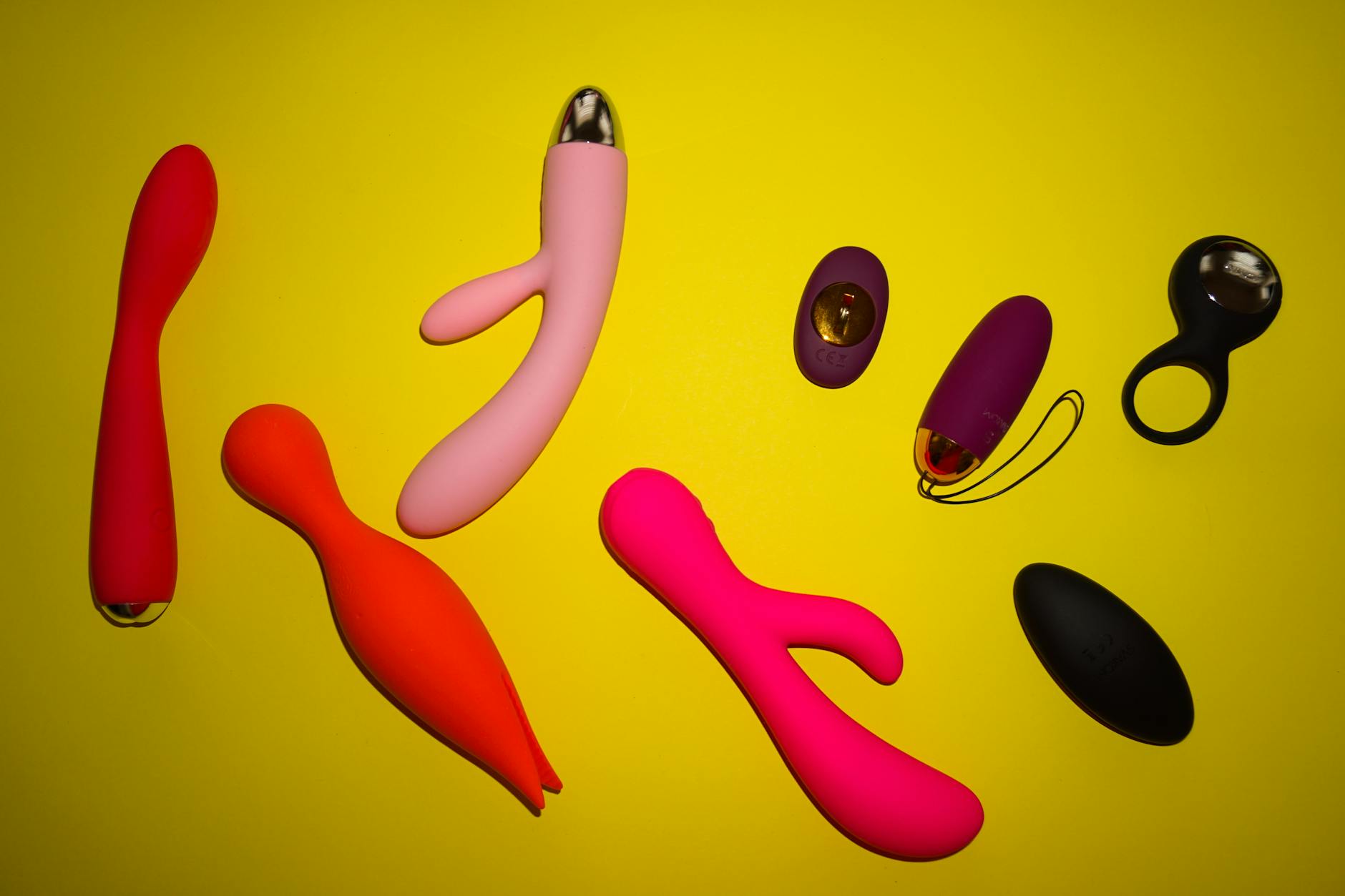
Here's what nobody talks about
Most conversations about pleasure assume an audience. A partner's rhythm, their expectations, their comfort level, their timeline. You've probably spent years unconsciously editing your own experience to fit inside someone else's preferences. That's not a moral failing. That's just what happens in long-term partnerships.
But here's the thing. If you've never spent focused time exploring what actually feels good to you, without that ambient pressure to perform or finish or be "hot" in the way someone else prefers, you're missing essential information about yourself.
Why solo exploration changes everything
There's a reason therapists and sex educators keep hammering this point. When you're alone with a lemon clitoral vibrator and zero audience, your nervous system behaves differently.
First, there's no spectator effect. Your brain stops running the background script of "How do I look right now?" or "Is this taking too long?" That mental load is real, and it suppresses arousal. In studies of sexual response, people alone show faster physiological response, more varied orgasm patterns, and higher satisfaction ratings than people in partnered situations. Your body relaxes into exploration instead of performance.
Second, you can actually notice what builds and what breaks your arousal. You're not calibrating around someone else's breathing or pace. You can go slow for 20 minutes or speed up for 30 seconds. You can stop and restart. You can try the same pattern five times to understand it. That's data you can't gather when you're thinking about someone else's experience.
Third, pleasure without an audience is lower stakes. If something doesn't work, there's no awkward conversation. You just try something else. That freedom to experiment without social consequence is genuinely rare in adult life.
The lemon vibrator as a tool for self-discovery
The lemon sucker design is particularly good for solo exploration because it requires full attention. You can't half-focus while thinking about your partner's pleasure or scrolling your phone. The suction sensation is so distinct that your brain's pleasure centers light up differently than they do with traditional vibration.
When you're using a lemon sexual toy alone, you can map exactly which intensity level, which pattern, which angle, and which length of stimulation creates the most consistent response for you. That information is gold. It's what you take back into partnered sex, or it's simply for you.
Many people find that their most intense solo orgasms come from a lemon clitoral vibrator because they're not managing anyone else's comfort, arousal state, or pace. You're operating at your authentic speed. For most people, that means longer warm-up, variable intensity, and permission to focus entirely on sensation.
Setting boundaries around solo pleasure time
Here's where this gets practical. If you're in a relationship, claiming dedicated time for solo exploration isn't selfish. It's actually foundational for better partnered sex.
Talk to your partner directly: "I want to spend time exploring my own pleasure alone. This isn't about wanting less with you. It's about learning more about what works for me." Most secure partners will understand. Some might even find it hot. If your partner responds with insecurity or resentment, that's a different conversation worth having with a therapist.
Schedule it like you would anything else. Tuesday nights. Sunday morning. It's not spontaneous or romantic, but it's also not apologetic. You deserve focused time on your own experience.
Create a space that feels entirely yours. That might mean a locked door, a specific time when you're alone, or even a separate room. The physical boundary matters. Your nervous system needs to feel safe to fully let go.
How to actually use a lemon vibrator for solo pleasure
Start without the toy. Spend 10 to 15 minutes doing whatever gets you aroused. Read, watch something, or just let your mind wander. Your body needs to warm up before you introduce external stimulation.
Begin on the lowest setting. The lemon clitoral vibrator has multiple patterns. Explore them slowly. Notice which ones feel good, which feel too much, which ones you return to. Spend at least five minutes at each intensity level.
Don't rush toward orgasm. That's genuinely the opposite of what you're doing here. You're mapping your own pleasure landscape. Some sessions won't end in orgasm, and that's completely fine. The goal is information, not outcome.
If you feel that familiar pull to hurry up or finish before someone gets home or checks in, pause. Notice that. That's the old script playing. You can choose differently. You have time. This is yours.
The difference this makes in partnered sex
Once you know your own body, partnered sex actually improves. You can say, "Slower here," or "I need more direct pressure," or "I want to start with pattern three on the vibrator." That's not a critique of your partner. That's you being fluent in your own pleasure.
You also stop waiting for someone else to create your orgasm. You know you can create it yourself, which paradoxically makes partnered sex more relaxed. The pressure is off. You're not silently willing your partner to figure it out. You're collaborating with someone else's pleasure as a bonus, not a requirement.
Plenty of couples integrate toys into partnered sex after someone's done solo exploration. You might use your lemon sexual toy while your partner is inside you, or while they're stimulating you another way. That's not replacement. That's collaboration.
When solo pleasure becomes essential, not optional
There are specific situations where prioritizing solo exploration becomes really important. If you're rebuilding after a dead bedroom, solo time with a lemon vibrator can help you reconnect with your own desire separate from any relationship dynamics. If you're recovering from sexual trauma or shame, solo exploration at your own pace is profoundly healing.
If you're experiencing mismatched libido with a partner, solo pleasure is not a substitute for addressing the mismatch. But it's also not something to apologize for. You deserve orgasms, whether or not your partner is in the mood.
Many people find that consistent solo pleasure actually increases desire in partnered situations. Your nervous system gets used to pleasure being accessible. You're less desperate, more grounded, and paradoxically more interested in sex with someone you care about.
The mental shift that matters most
This whole thing hinges on a single permission slip: your pleasure is valid and important, full stop. Not as a means to something else. Not as a way to communicate with your partner. Not as a tool. Just as something that belongs to you.
That doesn't mean you never prioritize your partner's pleasure. Of course you do. But it means you also claim dedicated time where your pleasure is the only thing that matters. Where you explore what feels good to you. Where you use a lemon clitoral vibrator or any other tool without justifying it to anyone.
If that feels uncomfortable, that's worth examining. Most of us have absorbed the message that female pleasure is secondary, or that self-pleasure is slightly embarrassing, or that we should be happiest when we're making someone else happy. Those are old stories.
Solo exploration with a lemon sucker or any adult toy is an act of reclamation. You're saying: I matter. My pleasure is real. I get to learn my own body. I deserve focused time on my own experience.
That's not selfish. That's baseline respect for yourself.
FAQ
How often should I spend time alone with a lemon vibrator?
There's no "right" frequency. Some people prioritize solo time weekly. Others do it several times a week. The goal isn't consistency in schedule, but consistency in prioritization. If you're regularly pushing solo pleasure off your list because other things feel more urgent, that's worth examining. You deserve time for this.
Can using a lemon sexual toy alone damage my ability to orgasm with a partner?
No. That's a myth rooted in anxiety about masturbation. Solo exploration actually improves partnered sex because you know what works for you. You're less likely to fake orgasms or pretend satisfaction. That clarity benefits everyone.
What if my partner feels threatened by my solo lemon vibrator use?
That's a relationship conversation, not a reason to stop. Insecurity around solo pleasure usually isn't actually about the toy. It's about deeper fears of inadequacy or control. A therapist can help you both understand what's underneath the reaction. Your right to solo pleasure isn't negotiable, but the emotional terrain around it is worth exploring together.
Can solo pleasure with a lemon clitoral vibrator help if I've had sexual trauma?
Yes, though at your own pace and ideally with professional support. Solo exploration in a safe environment helps you rebuild trust in your own body. You're creating new neural pathways around pleasure that aren't connected to the trauma. Start slowly, stay in control, and stop if anything feels wrong. A trauma-informed therapist can guide this process.
Is it normal to feel guilty about prioritizing my own pleasure?
Completely normal, and also worth challenging. That guilt usually comes from messaging that your pleasure is secondary, or that self-focus is selfish. It's neither. You can care deeply about a partner and also prioritize your own body's needs. Those aren't mutually exclusive.
What if I've never felt pleasure alone before?
Start here: How to Use a Lemon Vibrator When You Want More Intense Clitoral Stimulation. That guide walks through the basics of finding what feels good. Solo exploration is a skill, not an innate talent. It develops with practice and patience.