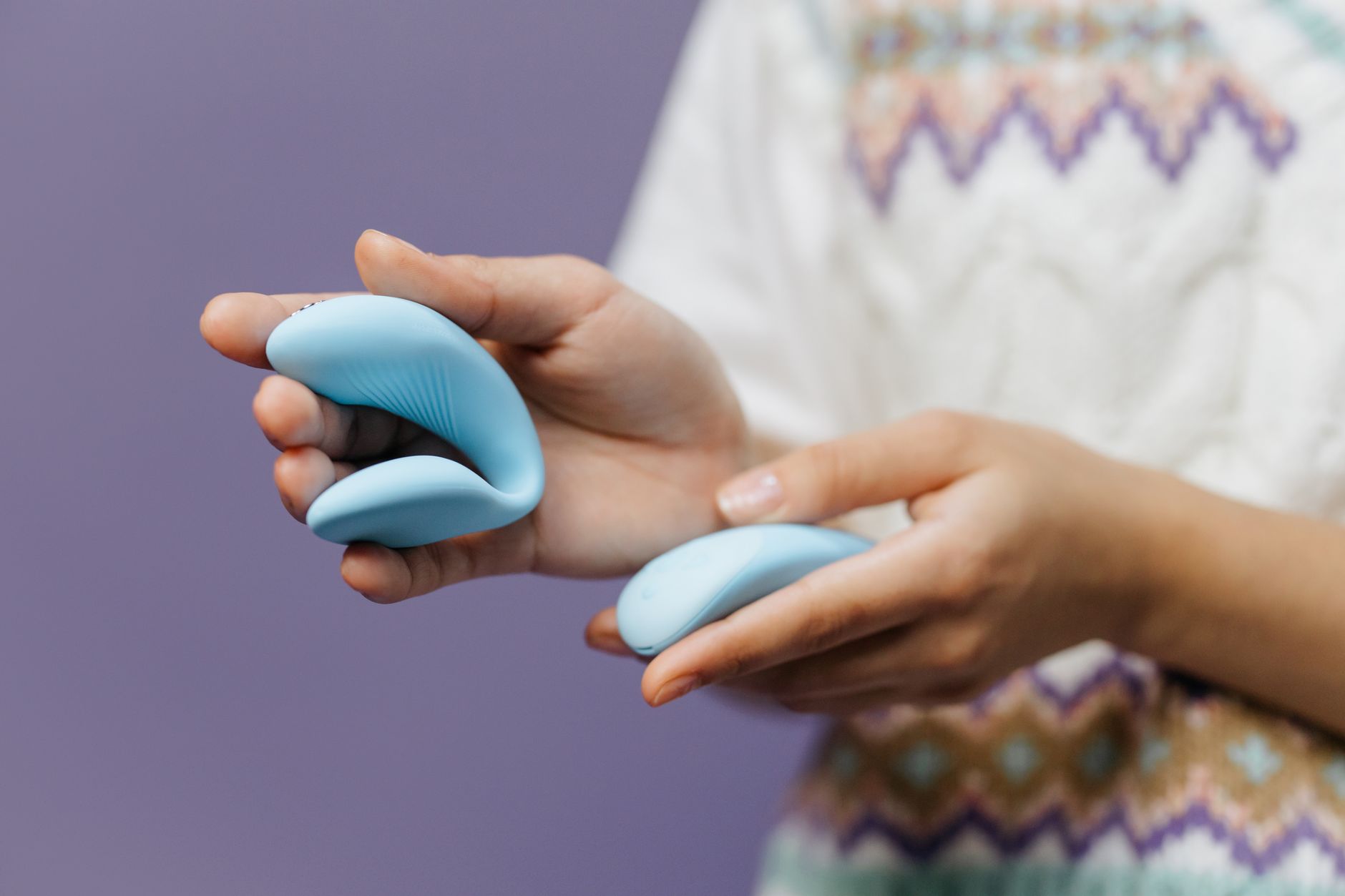
Let's be real about why this feels scary
Introducing a lemon vibrator to a partner who's never used toys can feel like stepping into unknown territory. You're worried they'll feel inadequate. They're worried you're not satisfied. Nobody wants to have an awkward conversation that feels like criticism wrapped in sex talk. The silence around this creates way more distance than the actual toy ever could.
Here's the truth: people who care about each other's pleasure want to know how to give better pleasure. A lemon clitoral vibrator isn't a replacement for your partner. It's a conversation starter about what you both actually want.
Why a new partner changes the dynamic
When you've been with someone for years, introducing toys is one conversation. With a new partner, it's different. You're still building trust. You're still figuring out their insecurities, their past relationships, their hang-ups about sex. And they're doing the same with you. One wrong word and they think you're not into them. One poorly timed gesture and they feel replaced.
The key difference is that early-stage relationships live in subtlety. You can't just drop a lemon vibrator on the nightstand and hope they're cool with it. You need to frame it correctly from the start. That doesn't mean hiding it. It means being intentional.
The conversation you actually need to have
Timing matters more than the words themselves. You want your partner relaxed and not in the middle of sex. The best moment is usually afterward, when you're both still close but clarity is possible. Or it could be a random Tuesday over coffee. It doesn't have to be heavy.
Start with what's true for you: "I've been thinking about what I enjoy, and I realized I'd love to explore using a vibrator sometimes. Not instead of you. With you. I think it could be really fun for both of us." Notice what you're doing here. You're not saying they're not enough. You're saying you want to expand what's possible together.
Then pause. Let them respond. They might say yes immediately. They might need time to think about it. They might have questions or concerns. The worst thing you can do is keep talking to fill the silence. Let them speak.
If they seem hesitant, ask what's making them uncomfortable. Is it a feeling of inadequacy? Concern about the physical sensation? Religious or cultural beliefs about toys? Past experiences? Each answer requires a different response. Don't defend your choice. Understand theirs first.
Why the lemon vibrator is easier than you think
If your partner has never used toys, the suction-based design of a lemon vibrator has a major advantage: it's not a penetrative toy. There's less "replacing" feeling. It's something that works on a specific area in a specific way. You can frame it as a tool that does something your mouth, hand, or penis can't do alone.
You can also start with them using it on you solo while they watch. This shows them exactly what it does, how it feels for you, and that you're the one in control. It's less confrontational than asking them to use it on you immediately. They get to observe your pleasure without performing.
The actual first time using it together
Don't make it the main event. Weave it in naturally during foreplay, not as the finale. You want both of you relaxed, not focused on whether this is "working." The pressure kills the experience.
Start with the lowest pattern. The Lem (our lemon clitoral vibrator) has multiple patterns. Begin at pattern one or two. You can always increase intensity, but jumping straight to high patterns can feel jarring for everyone involved. Let your partner see what each pattern does, let your body respond naturally, let the experience unfold.
If your partner is using it on you, give guidance without criticism. "A little slower" or "I like that rhythm" is helpful. "You're doing it wrong" is not. Help them feel competent. When they find something that works, tell them clearly. Positive feedback builds confidence faster than correction ever does.
Dealing with the emotions that might show up
Even if your partner said yes intellectually, they might feel something unexpected in the moment. Maybe jealousy. Maybe self-doubt. Maybe weirdness about the object itself. These feelings are normal and don't mean the relationship is fragile.
If you notice them withdrawing, pause. "Hey, I'm noticing you seem distant. Talk to me." Not during sex. After. Give them space to be honest without judgment. You're not trying to convince them the toy is great. You're trying to understand what they're actually feeling.
Sometimes the feelings settle after the first time. Sometimes they need more conversation. The difference between a partner who grows into acceptance and one who resents it is whether they feel heard. Make them feel heard.
Making it a collaborative choice
Where this actually works is when both people feel like they chose it together. That doesn't mean your partner has to love it immediately. It means they feel like they're part of exploring pleasure as a team, not being asked to validate your preference.
After you've used it together a few times, ask what they think. Not in a performance way. "Does this feel good?" is seeking validation. "What's your take on this?" is asking for genuine feedback. They might say they love it. They might say it's not their favorite but they enjoy how much you enjoy it. They might say it's not for them. All of those are valid answers.
If they're not into it but you are, you can use it solo. Your pleasure matters even in a partnership. You don't have to choose between a toy and your partner. You get to have both.
The longer-term shift
Once you've introduced lemon vibrators and other tools into your shared pleasure, something shifts. You've normalized that pleasure is worth talking about. You've shown that trying new things doesn't threaten the connection. You've created a framework for exploring together.
That framework matters later. When a new desire surfaces. When you want to try something else. When sex gets routine and you both want to shake it up. You've already done the harder work of showing each other that pleasure exploration is collaborative, not threatening.
FAQ
Can using a vibrator make it harder for my partner to satisfy me?
No. Vibrators work differently than hands or mouths. Your body doesn't become dependent on the specific vibration pattern in a way that makes partnered sex less satisfying. Some people find that they have better orgasms with a partner after they've used a vibrator, because they understand their body better. Your pleasure capacity doesn't shrink because you've explored a new tool.
What if my partner is uncomfortable but agrees anyway?
Then you haven't actually solved the problem. Resentment builds quietly. A partner who says yes but feels no will eventually push back, often indirectly. The conversation isn't over when they say yes. It's over when they actually feel comfortable. If they're hesitant, it's worth asking why and potentially waiting. There's no timeline. Genuine comfort takes longer than reluctant agreement, but it's worth it.
Should I show them educational content about vibrators first?
Only if they ask. Sending them a TED talk about sexual wellness or a "how to use toys" video unsolicited can feel preachy. If they're curious, offer resources. If they're not, let them come to it on their own timeline. People are more open to learning when they ask than when they're presented with information as a problem they need to fix.
What if they want to use it but then feel weird about it after?
This happens. Post-sex emotions are real and sometimes conflicting. They said yes. You used it. Now they're feeling something unexpected. Don't defend the choice. Don't minimize their feelings. "I hear that you're feeling weird about this. Let's talk about what came up for you." That's the whole conversation. They might need time. They might realize it's actually fine. They might decide it's not for them. All of those are okay.
Is there a difference between how men and women respond to partners using vibrators?
Yes and no. Some men feel inadequate because penetration is their primary pleasure focus and a vibrator does something different than they do. Some women worry a vibrator means their partner doesn't want them anymore. Gender isn't the deciding factor. Individual insecurity is. The antidote is the same: conversation, reassurance, and clarity that this is expansion, not replacement.
How do I know if my new partner will be open to this?
You don't until you ask. But you can watch for signals. Are they open about their own pleasure? Do they ask what you like? Can they handle conversations about sex without defensiveness? Do they seem curious rather than rigid about intimacy? Those are good signs. The only way to know for sure is to have the conversation.
The bottom line
Introducing a lemon vibrator to a new partner is less about the toy and more about building a relationship where pleasure matters enough to talk about. It's about saying: your satisfaction is important to me. Your curiosity is welcome here. Let's figure this out together. That conversation, done well, is the best foundation for everything that comes next.