
The thing nobody says out loud
Your partner sees the lemon vibrator and hears: "You're not enough." They don't say it. But the worry lands in the room anyway. Suddenly, introducing a clitoral vibrator becomes this loaded conversation where you're defending your body's pleasure like you're cheating on them. Which is wildly unfair to everyone.
Honestly, this is one of the most common relationship friction points I see. And it's fixable. Not with reassurance alone, but with a specific, honest conversation and a framework for how the vibrator actually works in your partnership.
Why partners get intimidated in the first place
It's rarely about the toy itself. It's about what it represents in their mind.
Many people grow up believing they're supposed to be their partner's sole source of pleasure. Movies reinforce it. Porn reinforces it. The cultural story is: if you really love me, I'm enough. If you need a toy, I've failed. So when a lemon vibrator enters the picture, it can feel like proof of failure.
There's also a knowledge gap. If your partner has never used a clitoral suction vibrator before, they don't understand how it works or why it feels the way it does. Without that information, they fill in the blanks with fear.
Finally, some partners worry about being replaced. If you use a lemon vibrator solo, will you still want sex with them? Will they become optional?
None of these fears are irrational. They just need direct conversation, not dismissal.
The conversation you actually need to have
Don't introduce the vibrator by saying it'll "enhance" your sex life. That sounds like your sex life currently sucks and you're trying to fix it without implicating them. Instead, own the honesty.
Say something like: "I want to explore my body more during sex with you. A clitoral vibrator helps me get there faster, which actually means more pleasure for both of us. I'm not bringing this in because you're not doing enough. I'm bringing it in because I deserve to feel amazing, and so do you."
That's it. Simple. Grounded. Not therapy-speak.
Then answer the three questions they're probably thinking:
1. Does this replace what you do for me? No. It's a different kind of stimulation. You can't kiss a vibrator. You can't hold them. The lemon sucker does one thing extraordinarily well. You do everything else.
2. Will this become a requirement? Maybe sometimes, maybe not. Just like some people need coffee to function and others don't. Your body might need a lemon vibrator to orgasm during partnered sex. That's not a failure of theirs. It's a fact of your neurology.
3. Can we use it together? Yes. And that's often where the intimidation dissolves. When they realize they're not being replaced but invited into the experience.
How to actually use it together without awkwardness
Start small. Not in bed yet.
Show them how it feels on your own body first, with them watching. No pressure to perform. Just let them see that it's not magical. It's a tool. You control it. You decide the pattern and intensity. Some patterns feel better than others, just like with anything else.
Then, move into partnered sex. There are a few ways this goes:
Option one: They use it on you. This is the biggest reassurance for an intimidated partner. They hold the lemon vibrator, they control the pattern, they decide when to apply it during sex. Suddenly they're not replaced. They're literally in charge.
Option two: You use it while they're inside you or stimulating you manually. The vibrator handles clitoral stimulation. They handle everything else. Different jobs, same goal.
Option three: You use it solo while they're inside you. This takes the pressure off them to "give" you an orgasm. You're co-creating pleasure instead of them performing and you receiving.
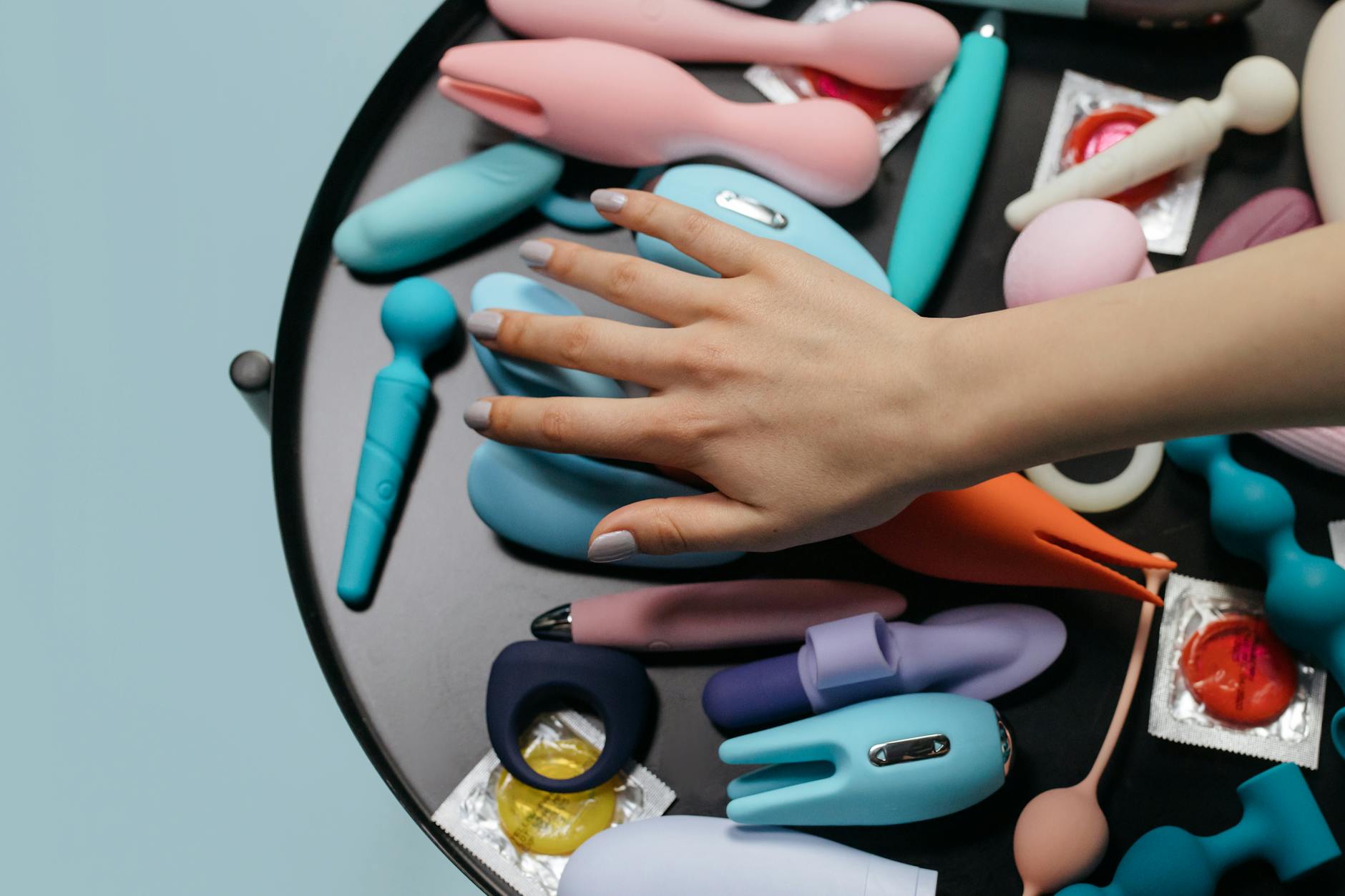
Photo by cottonbro studio on Pexels
The key shift: you're not asking them to be less. You're asking them to be part of something new. That's invitation, not replacement.
What to do if they say no
Some partners won't warm up immediately. That's okay. It doesn't mean the conversation failed. It means they need time.
Don't push. Don't argue. Instead, separate the conversation from the action. You can still use your lemon vibrator. You deserve pleasure, with or without their comfort. But if you want partnered sex to include it, they need to agree.
The most effective thing I've seen work is patience plus education. Leave a blog post about clitoral vibrators open on the shared laptop. Not aggressively. Just there. Some people need to read something written by someone other than their partner before the fear dissolves.
You might also consider what they're actually afraid of. If it's about feeling inadequate, that's deeper than vibrator anxiety. That's something to address in conversation or couples counseling. If it's just unfamiliarity, time and exposure usually fix it.
The reframe that changes everything
Here's what I tell couples: a vibrator isn't a sign of sexual incompatibility. It's a sign that you value pleasure enough to explore how to deepen it. That's not criticism. That's ambition.
When you frame it that way—as something you're building together, not something you're doing to escape them—the dynamic shifts. They stop feeling replaced and start feeling included.
Your body's capacity for pleasure isn't a referendum on them. It's just your body. And you get to decide what helps it feel good.
FAQ: Partner concerns about lemon vibrators
Will using a vibrator make me lose sensation or need more intense stimulation over time?
No. Your clitoris doesn't lose sensitivity from using a lemon vibrator. It's not like desensitizing a nerve. What happens is you might figure out which patterns and intensities work best for you, the same way you'd learn anything about your body through exploration. That's not damage. That's knowledge.
If my partner uses a vibrator during solo sex, does that mean they don't want me anymore?
Not at all. Solo pleasure and partnered pleasure serve different functions in your life. Using a lemon vibrator alone doesn't diminish desire for a partner. It's like asking if someone who enjoys a solo run no longer wants team sports. Different activities, same person.
What if my partner says a vibrator is "cheating" or "artificial"?
That's a value system conversation, not a sex conversation. You might ask them why they believe that. Is it because they think pleasure should only come from a partner? Because that belief is worth examining together. Your body's pleasure matters regardless of where it comes from.
Can we use a lemon clitoral vibrator if my partner has performance anxiety?
Yes, absolutely. A lemon vibrator actually reduces performance pressure. If you can orgasm with clitoral stimulation from a vibrator, it takes the weight off them to "make" that happen. That often reduces anxiety significantly.
How do I know if my partner's intimidation is about the vibrator or about deeper relationship issues?
If they're worried specifically about being replaced or inadequate, that's vibrator anxiety. If they're worried about connection, intimacy, or your relationship in general, the vibrator is just the visible symbol of something bigger. In that second case, couples counseling or open conversation about the relationship itself matters more than the sex toy.
What if I want to use a lemon vibrator but my partner refuses to ever let me use it during sex?
You still get to use it. You deserve pleasure. But if partnered sex is the context where you want to use it and they've set that boundary, you have to honor it. That said, you might revisit the conversation in a few months or years. People change their minds when fear dissolves.
The bottom line
Introducing a clitoral vibrator into a partnership where your partner feels threatened isn't about being better at sex or more adventurous. It's about honesty. It's about saying: my pleasure matters. Your presence matters. These two things can exist at the same time.
When you separate the vibrator from the relationship anxiety, when you invite them into the experience instead of hiding it, when you make it clear you're building something together instead of replacing something broken, the fear usually dissolves.
Your partner's intimidation isn't a sign you shouldn't use a lemon vibrator. It's a sign that the conversation needs to happen first. And when it does, with clear language and genuine inclusion, most couples find their way to something better than either of them expected.
If you're navigating this or other relationship dynamics around pleasure and intimacy, I'm here to help. Reach out anytime at /contact—no judgment, just honest conversation.