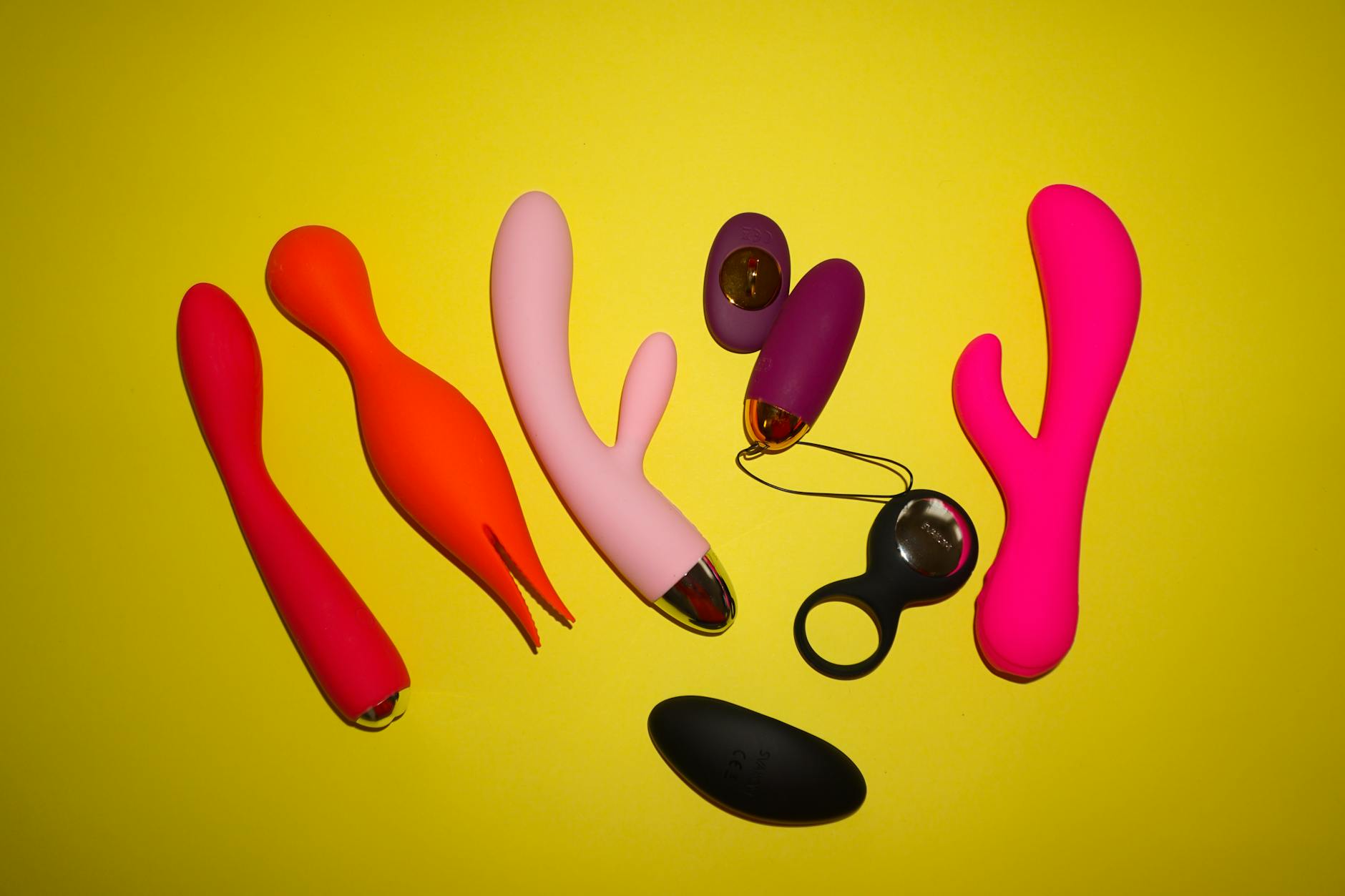
How to Introduce a Lemon Vibrator to Your Partner: A Guide for Couples
Let's be real: the idea of bringing a vibrator into your bedroom can feel loaded. You're worried it means something is wrong. Or that your partner will feel threatened. Or that you'll seem like you're criticizing what you already have going on.
None of that is true. But I get why the thought lives in your head.
Here's what I've seen work across hundreds of couples conversations: when you frame a vibrator as an addition, not a replacement, and when you introduce it as something to explore together rather than something you need because your partner is failing you, the entire energy shifts. A lemon vibrator isn't a referendum on your sex life. It's an invitation to expand it.
Why couples actually bring vibrators into their bedroom
People introduce vibrators for a lot of reasons, and almost none of them are "my partner isn't good enough." Here are the real ones:
Orgasm gaps. Some people can orgasm with internal stimulation alone. Others need clitoral pressure to get there. A lemon vibrator closes that gap without resentment or performance anxiety. You're both working toward the same goal instead of one person waiting for the other to catch up.
Pleasure variation. After years together, the same rhythm starts to feel predictable. A vibrator isn't about replacing your touch. It's about adding a texture your hands can't create. Variety matters for arousal. Your brain gets bored doing the exact same thing year after year.
Reducing physical strain. If you have arthritis, carpal tunnel, or just tired arms after 20 minutes, a vibrator handles that load. That's not a failure on your part. That's smart adaptation.
Longer, better sex. This is the one partners are sometimes surprised to hear. Using a lemon clitoral vibrator together often means longer sessions and more intense orgasms. Most people enjoy that.
The couples I work with who've integrated vibrators report higher satisfaction, more frequent sex, and less resentment. Not because vibrators are magic. Because they had a real conversation about what they both wanted and then gave themselves permission to have it.
The conversation: how to start without defensiveness
Timing matters. Don't bring this up during sex or right after. Not in the bedroom at 11 p.m. when you're already naked and vulnerable. Pick a neutral moment, maybe a walk or a drive, where you can both stay calm and you're not already in arousal mode.
Open with something like: "I've been thinking about something I'd like to try with you, and I want to make sure you feel comfortable talking about it." That one sentence does a lot of work. It signals respect. It gives them agency (they can say "now isn't a good time"). It's not a demand.
Then, be specific about what's driving this. "I've noticed that orgasms take me longer lately, and I found out that a lot of people with my body use vibrators, and I'm curious if we could try one together." Or: "I've been reading about ways we can mix things up, and this came up. I think it might feel really good for both of us."
The key is "with you." Not "by myself" or "alone." With you means partnership. It means you're inviting them into the exploration.
If they shut down immediately, that's information too. Ask why. Is it a deeper belief about sexuality? Do they feel like it's a criticism? Are they worried about performance? These conversations take time, and they're worth having. You might need to revisit it in a few weeks.
Why a lemon vibrator works better for couples than you'd expect
A lemon clitoral vibrator is designed for precision. It's not enormous or intimidating. It focuses on the clitoris, not internal penetration, so it feels like an addition to what's already happening, not a replacement for your partner.
The suction sensation is different from vibration. It's gentler, more rounded, less like a typical buzzing vibrator. A lot of partners find it less threatening because it's clearly doing something that fingers or a penis can't do, rather than competing with those things.
Introduce it as a tool you're both experimenting with. "Let's see what this does. You can hold it, I can guide it, we can figure this out together." That collaborative energy changes everything.
The first time using one together
Start clothed or partially clothed. I'm serious. Set the toy on the counter, show them what it does, let them hold it, watch how it moves. Remove the mystery before you're already aroused and vulnerable.
When you do use it, have a lot of foreplay first. You want to be already turned on so there's zero awkwardness. Then, one of you can hold the lemon vibrator while the other person is receiving stimulation. Or you can take turns. Or they can use it on you while you use your hands on them. The logistics don't matter. The experimentation does.
If it feels weird the first time, that's normal. You're introducing a new sensation and you're probably both a little self-conscious. That passes. Usually by the second or third time, the weirdness melts and it just becomes part of what you do.
What to expect from the conversation afterward
After you use it, ask how they felt. Not "Wasn't that amazing?" Just "What did that feel like for you?" Listen. They might say they liked it. They might say it felt strange but could warm up to it. They might say they want to try something different. All of those are valid.
This isn't a one-and-done thing. It's the beginning of a conversation about pleasure that hopefully stays open. Over time, you might discover other things you both want to try. Or you might use the lemon vibrator occasionally and that's it. The point is you both know you're allowed to want things, ask for them, and explore them together.
The reassurance part (because it matters)
Some partners worry that introducing a vibrator means you're less attracted to them or that you want them to be different. That's worth directly addressing. "I'm attracted to you. I want this because I want us both to feel good. This isn't about you being enough or not enough. This is about us having more fun together."
If you're the one feeling insecure about introducing a vibrator, name that too. "I'm nervous because I want you to feel good about this, and I care what you think." Vulnerability goes both ways.
Most partners respond well when you're honest and when you frame it as expansion, not replacement. They also respond well when you make it clear you're not forcing anything. "I'm interested in trying this. If you're not ready, that's okay. We can talk about it again whenever." Low pressure, high respect.
When to call a professional
If bringing up a vibrator triggers a huge fight or shutdown, or if one of you has trauma or beliefs about sexuality that make this conversation impossible, a sex therapist or couples counselor can help. This isn't failure. It's smart. A professional can help you both understand what's underneath the resistance and work through it.
I've seen couples work through surprisingly deep stuff just by having someone neutral in the room who gives them permission to explore pleasure without shame. If you need that, it's available.
The best part
The best part about introducing a lemon vibrator to your partner isn't the vibrator itself. It's the conversation that has to happen first. Because that conversation is practice for every other vulnerable ask you'll make. It teaches you both that desire is allowed, that asking for what you want doesn't mean rejecting what you have, and that pleasure is something you can build together.
If you're nervous about the talk, remember: your partner probably wants you to feel good. They probably also have things they want to explore but were too nervous to mention. The vibrator is just the opening. What comes after is usually better than what came before.
FAQ: Couples and Vibrators
What if my partner says no?
Respect that answer. It might not be permanent. They might need time, more information, or a different conversation about what's underneath the no. Pushing makes it worse. Dropping it entirely and never mentioning pleasure again makes you both resentful. The middle path is: "I hear you. If you ever want to revisit this, I'm open. And I'm curious what would feel better to you." Then actually listen.
Will using a vibrator together make my partner think I don't want them anymore?
That fear usually comes from media or from people who've had bad relationship models. In real relationships, couples who explore pleasure together actually report more desire for each other, not less. The vulnerability of asking for what you want is intimate. Using a lemon vibrator together can be really connecting if you approach it that way.
Should I use the vibrator before introducing it to my partner?
Yes. Absolutely. You need to know how it works, what sensation it creates, and what you actually like about it before you try to explain it to someone else. Use it, get comfortable with it, figure out what patterns feel best on you. Then you can show your partner with genuine enthusiasm instead of "I read online that people like this."
Is a lemon clitoral vibrator too intense for couples play?
No. Lemon vibrators are designed with multiple intensity levels, and they're gentler than a lot of standard vibrators. Start on the lowest setting and work up. You can always turn it down. And if it's too much, you can use it over clothing or take breaks. Intensity is something you both control together.
How do I know if my partner is secretly interested in using a vibrator?
You don't, not really. Some people drop hints. Some people are just quiet about it. That's why the conversation is so important. You're not guessing or hoping. You're actually asking. "I've been curious if you'd ever want to try a vibrator together. Have you ever thought about that?" Direct is better than indirect.
What if we use a vibrator and the awkwardness never goes away?
Then you might just not be into it, and that's fine. Or you might need a different toy that feels less clinical or different positioning that feels less performative. Or you might need to have a separate conversation about what the awkwardness is actually about. Sometimes it's the vibrator. Sometimes it's deeper stuff. If it consistently feels bad, talk about it rather than just doing it anyway.
The real story
I've been working with couples for decades, and I can tell you: the ones who last are the ones who can ask for what they want and listen when their partner asks for something. A lemon vibrator is just a tool. But the conversation you have before you use it, that's the real work. And that conversation opens doors to so much more than just sex. It teaches you both that vulnerability is safe, that desire matters, and that you're on the same team.
If you're thinking about bringing this up, bring it up. Your partner is probably more ready than you think.