
Here's what nobody explains about how sensation actually works
Buzzing and suction feel nothing alike. Yet most people shopping for their first clitoral vibrator assume the main difference between devices is just intensity. It's not. It's physics.
When you use a traditional vibrator, you're experiencing rapid back-and-forth movement against your skin. When you use a lemon vibrator, you're experiencing rhythmic pressure and release. Those activate different nerve fibers, create different pleasure signals in your brain, and often produce entirely different orgasm patterns. Understanding why matters because it changes which tool is right for you.
The nerve science that explains the feeling
Your clitoris has roughly 8,000 nerve endings packed into a space smaller than a pea. These nerves aren't all the same. They're specialized for different types of stimulation.
Vibration activates your rapid-adaptation nerve fibers. These fire quickly in response to movement, but they also fatigue quickly. That's why continuous vibration can start to feel numb after 10 or 15 minutes, even if you haven't reached orgasm. Your nerves need a break from constant buzzing.
Suction activates your slow-adaptation fibers. These respond to sustained pressure and release. They don't fatigue the same way. You can experience suction stimulation for 20, 30, or even 45 minutes without that creeping numbness. The sensation stays fresh because your nervous system is getting a different signal.
There's also a mechanical difference. A vibrator creates horizontal movement (side to side) or vertical movement (up and down). Suction creates negative pressure: it gently pulls tissue toward the device, then releases. That pulling sensation travels deeper into the clitoral body, which extends internal. Vibration tends to stay surface-level.
For people with sensitive clits who find vibration too direct or overwhelming, lemon vibrators offer an alternative that still builds intensity but through a different pathway entirely.
Why the sensation progression is different
Here's something I notice clinically: people who switch from traditional vibrators to suction-based devices like the Lem report that their arousal builds differently.
With vibration, arousal typically spikes faster. You get intense sensation quickly. For some people that's perfect. For others, it can feel too sharp or create tension rather than relaxation.
With suction, arousal tends to build gradually. The first few minutes feel gentle. Around minute 5-8, you start noticing the sensation deepening. By minute 12-15, you're in a completely different place than where you started. This slower escalation gives your body time to relax, your nervous system time to settle, and your arousal time to compound rather than plateau.
That matters particularly if you're someone who's struggled with finishing, or someone whose body takes time to warm up. The lemon suction approach meets you where you are rather than demanding you catch up to intense sensation immediately.
How pressure rhythm changes the orgasm itself
The type of stimulation you receive doesn't just affect how you feel before orgasm. It changes how you experience orgasm itself.
Vibration-based orgasms often feel sharp, focused, and concentrated. If the vibration is intense, the orgasm can feel almost explosive. Some people love that. It's straightforward pleasure.
Suction-based orgasms tend to feel deeper and more diffused. Because suction engages the internal clitoral body, the pleasure radiates inward rather than staying on the surface. People often describe them as more full-body, rolling in waves rather than peaking sharply.
Neither is objectively better. They're just different. And knowing the difference helps you understand what your body is looking for. If you've only ever used vibration and found orgasms feel rushed or incomplete, it's not because you're broken. It might just be that your nervous system responds better to a different stimulus.
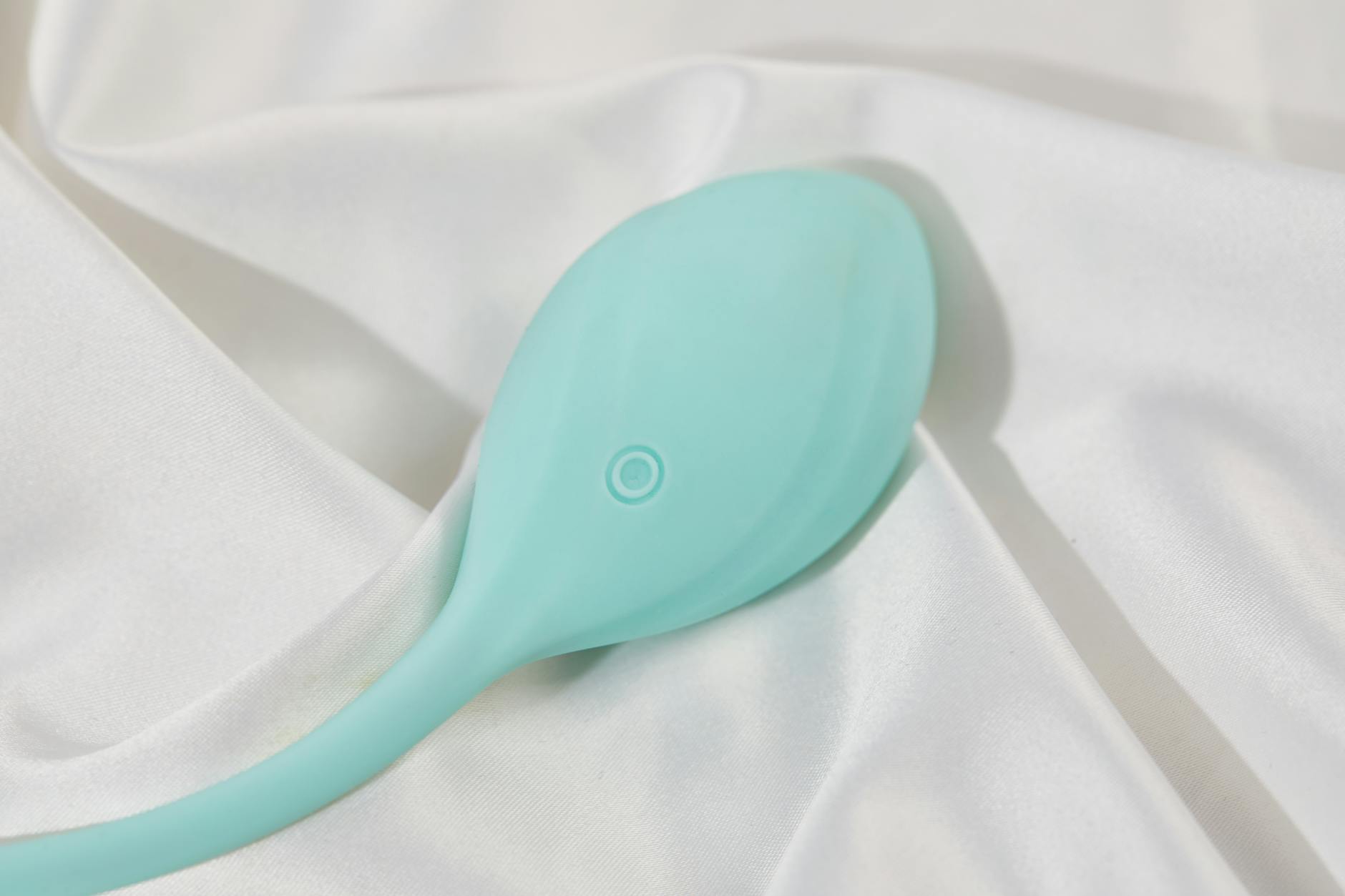
Photo by IFONNX Toys on Pexels
Sensitivity changes what works
One of the biggest reasons people prefer lemon vibrators over standard vibration: sensitivity.
A sensitive clitoris doesn't necessarily mean you can't have pleasure. It means direct, sustained buzzing can feel raw, almost painful, or it deadens the nerve fibers faster than usual. That's frustrating because you're trying to reach climax, but your body keeps shutting down the signal.
Suction solves this differently. Instead of constant direct pressure, you're getting rhythmic engagement and release. The tissue gets stimulated, then recovers, then gets stimulated again. For sensitive folks, that pattern feels sustainable where continuous vibration doesn't.
I often recommend lemon vibrators like the Lem to clients who've had bad experiences with traditional vibrators but haven't given up on external toys. The technology itself is gentler on delicate tissue even when you're using higher intensity settings.
The learning curve is shorter than you think
Here's a myth I want to clear up: suction vibrators take longer to work than traditional vibrators.
That's backwards. They usually work faster for most people, once you find your rhythm. The confusion comes from the first experience. If you're used to vibration, suction feels different enough that your nervous system needs a minute to recognize it as pleasurable. First-time users often spend 5 minutes thinking "Is this supposed to feel good?" before their brain clicks into it.
But once it clicks, it clicks. Most people find their sweet spot within the first or second session. Intensity settings that feel soft at first start building sensation quickly.
The reason folks sometimes say "suction took longer" is because they abandoned it after the first try, thinking it wasn't working. If you stick with it for three separate sessions, you'll understand the technology and likely find it more effective than whatever you were using before.
Partner dynamics shift when sensation feels better
When a person with a vulva finds a stimulation method that actually works for their body, partnerships often improve.
I don't say that lightly. Sex confidence is relationship confidence. If you've spent years not finishing, or finishing only sometimes, or finishing but in a way that feels forced, your whole sexual dynamic gets colored by that. You might stop initiating. Your partner might feel rejected or like they're doing something wrong.
When you introduce a tool that lets you access pleasure reliably, suddenly you're more present. More playful. More interested in sex generally. Partners notice.
If you're considering bringing a lemon vibrator into partnered sex, it's often worth a conversation about sensation preferences first. Maybe your partner finds vibration uncomfortable or overstimulating when they're touching you. Maybe you've never been able to tell them what actually feels good because you didn't know yourself. Clitoral suction opens conversations that vibration sometimes closes down.
You might also explore how the lemon suction feels differently when your partner is inside you versus when you're using it solo. The sensation changes based on what else is happening. That discovery, for many couples, reignites interest in pleasure-focused time together.
Comfort during longer sessions
One practical thing I notice: people use lemon vibrators longer without discomfort.
With traditional vibration, fatigue happens on two levels. First, nerve fatigue from rapid adaptation. Second, hand fatigue if you're holding the device, or localized skin fatigue from sustained friction.
With suction, there's less friction and the nerve fatigue is slower. You can comfortably use a lemon vibrator for 30 or 40 minutes without that pins-and-needles numb feeling. You can explore different rhythms and intensities across a longer session without your body shutting down.
That matters because extended sessions allow for deeper relaxation, more thorough exploration, and often more satisfying climax. You're not racing against fatigue.
Building intensity versus hitting a ceiling
Here's something subtle: traditional vibrators have a ceiling.
You turn them on. You find a setting that feels good. You wait for climax. Sometimes it comes, sometimes it doesn't. But once you're at maximum intensity, there's nowhere else to go. You're stuck at that level until either you finish or you give up.
Suction vibrators like the lemon suction device work more like a staircase. You start at a lower intensity, your body responds, you move up a setting, your nervous system integrates that, you move up again. The progression feels natural because each intensity level genuinely feels different and builds on the last one.
That staircase approach means people finish more consistently. You're not trying to force pleasure to happen at one fixed level. You're guiding your arousal upward, and your body follows.
When to stick with traditional vibration
I want to be clear: suction isn't universally better. It's just different.
Some people genuinely prefer traditional vibration. If you're someone whose arousal spikes fast, who loves sharp, intense sensation, or who finishes reliably with a standard vibrator, there's zero reason to change. Stick with what works.
Suction is most useful for people who've tried vibration and found it uncomfortable, too numb-feeling, too quick, or just didn't click with it. If you're in that camp, a lemon vibrator is worth trying specifically because the mechanism is fundamentally different enough that it might be the breakthrough you've been waiting for.
There's also a comfort factor with familiarity. If you've been using one type of stimulation for years, your body knows how to respond to it. Switching takes adjustment time. That's normal. Don't judge a new tool on your first session.
FAQ: Suction vs. Vibration Questions
Is clitoral suction better than vibration for everyone?
No. Some people prefer vibration and always will. Suction works best for folks with sensitive clits, those who find vibration numbing, people whose arousal builds slowly, or anyone whose nervous system simply responds better to pressure-and-release patterns. The best tool is the one that makes your body feel good. That might be suction, vibration, or both.
Will a lemon vibrator take longer to work if I'm used to traditional vibrators?
Not longer once you understand the sensation. The first time might feel confusing because suction feels unfamiliar, but by session two or three, most people find their rhythm quickly. If vibration has never worked well for you, suction usually works faster because it activates different nerve pathways that might be more responsive in your body.
Can you use suction and vibration together, or are they either-or?
They're not either-or. You can use a lemon vibrator for part of a session and switch to a traditional vibrator for another part. Some people use suction to build arousal slowly, then switch to vibration for the final push to orgasm. Listen to what your body wants in the moment.
Why do people say lemon vibrators feel less intense than traditional vibrators?
Suction intensity works differently than vibration intensity. A lemon suction device on setting 3 might feel less "buzzy" than a traditional vibrator on setting 3, but the pleasure sensation is often deeper and more sustained. It's not that suction can't be intense. It's that intensity manifests as deeper pressure rather than faster movement. Higher settings absolutely exist and can feel extremely intense.
Are lemon vibrators better for people with reduced sensation?
Often, yes. If hormonal changes, medication, or nerve issues have reduced your sensitivity to standard vibration, suction can feel more pronounced because it engages a different sensory system. You might find yourself responding to suction at a lower intensity level than you'd need with vibration. Start low and adjust up as you learn your preference.
If suction feels better, why do most people still use traditional vibrators?
Habits, availability, and marketing. Traditional vibrators have been the dominant category for decades, so they're cheaper, more available, and more normalized. Suction technology like the Lem is newer to mainstream awareness. People gravitate toward what they've heard of or seen friends use. As more people discover how different suction feels, that's shifting.
The bottom line
Your nervous system recognizes vibration and suction as fundamentally different stimuli. That's not a preference thing. It's neurology. Whether one feels better than the other depends entirely on how your particular body responds.
If you've never had great experiences with traditional vibrators, or if vibration has always felt too intense or left you numb, a lemon clitoral vibrator might be the tool that finally makes sense for your body. The sensation is different enough to be worth exploring.
Your pleasure matters. Finding the tool that actually delivers that pleasure matters even more. Have questions about how lemon vibrators work for your body specifically? Reach out.