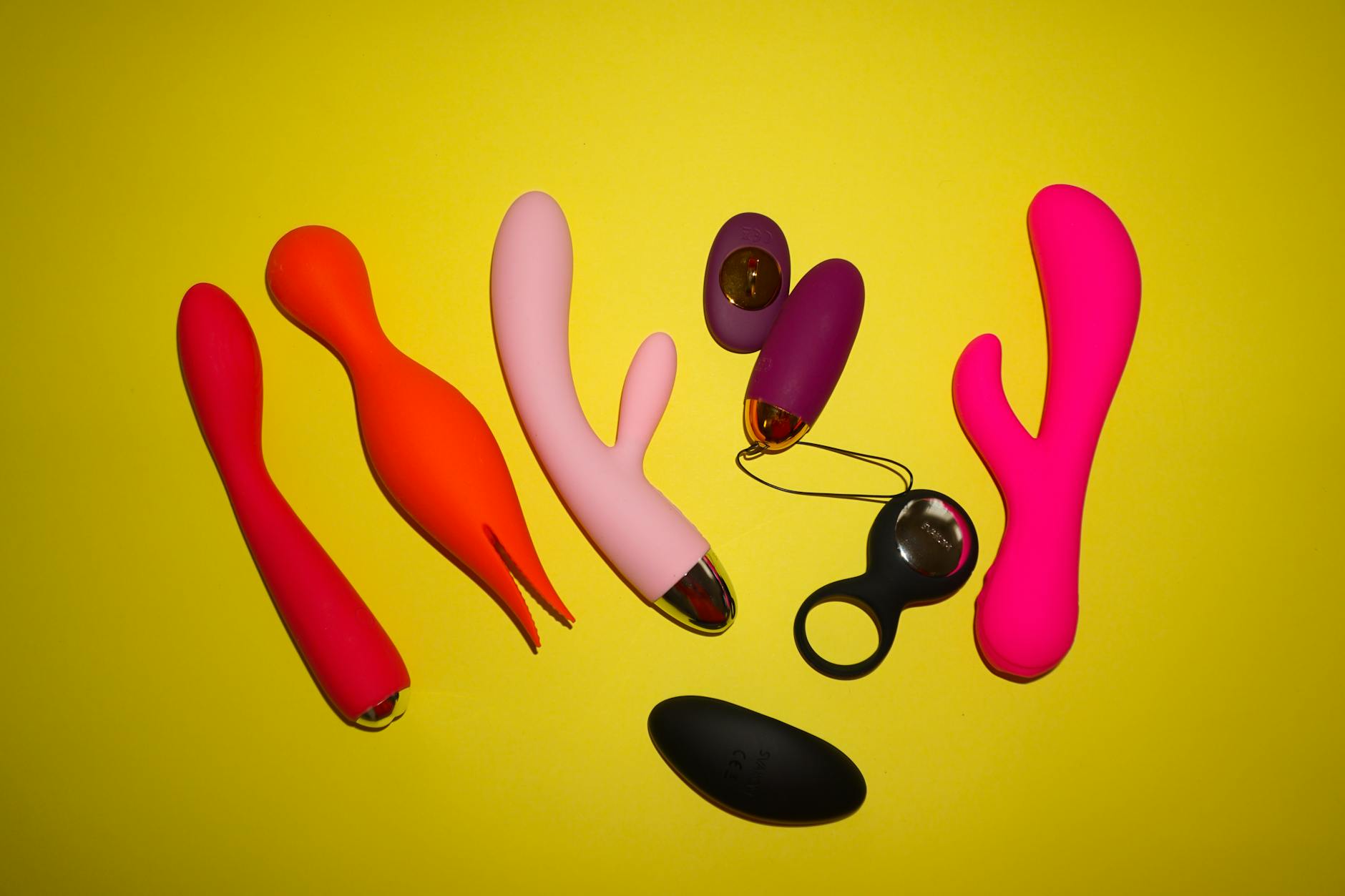
The thing nobody says out loud
Low arousal threshold is real, it's common, and it doesn't make you broken. It means your body responds quickly to stimulation. That's actually an asset. The problem isn't the speed itself. It's that you've probably been told to either suppress it or feel bad about it, neither of which actually helps.
Here's what I see in my practice: people with quick arousal often feel rushed, performative, or like they're missing out on the actual experience. They worry they're disappointing a partner. Or they stop exploring because climaxing in 90 seconds feels pointless. Both responses miss the real opportunity, which is learning to work with your nervous system instead of against it.
A lemon clitoral vibrator, specifically the suction-based design, changes the game because it gives you precision control that traditional vibration doesn't. You can modulate intensity in real time, build plateaus instead of racing to the finish, and actually extend the experience while respecting your body's natural responsiveness.
Why suction works differently for quick arousal
Let's start with the mechanics. Traditional vibrators send oscillating pulses to the tissue. That rhythm is consistent, which means your nervous system adapts to it quickly. Quick arousal thresholds mean your system is primed to respond, so consistent input speeds you toward climax faster.
A lemon sucker (like the Lem vibrator) operates differently. Instead of vibration, it uses gentle rhythmic suction that pulls blood into the clitoral tissue and releases it in a pulsing pattern. That sensation is still stimulating, but it creates a different neural pathway. You're not chasing acceleration. You're riding a wave you can control.
The genius is that suction lets you stay engaged without constant escalation. You can hold at intensity level 3 for five minutes without your body pushing automatically toward climax. With traditional vibration, the same five minutes at intensity 3 builds relentlessly. Your threshold keeps creeping closer.
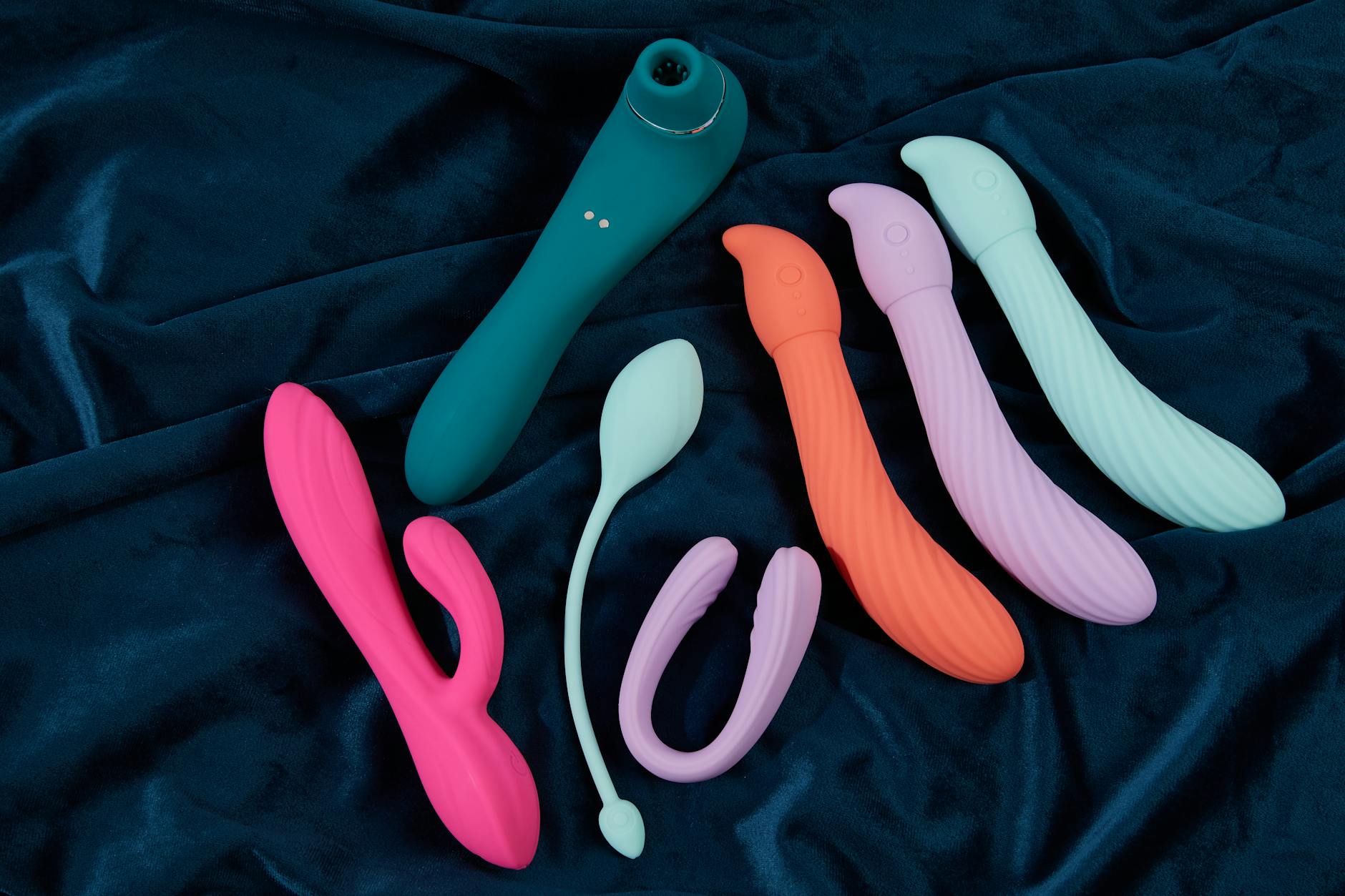
Photo by IFONNX Toys on Pexels
The three-phase approach to lasting longer
This is the framework I recommend for anyone using a lemon clitoral vibrator with a low arousal threshold.
Phase One: Discovery (weeks one to two). Don't use the Lem to reach orgasm. Use it to map your arousal landscape. Start at intensity 1, apply light suction to the upper clitoris (around 2 to 3 o'clock if your clitoris were a clock face), and notice exactly when you feel the first shift. How long does it take? Where's the sensation strongest? What happens if you move the toy slightly? Your job here is to get curious, not to climax. This takes pressure off and teaches your body that stimulation doesn't automatically mean "race to the end."
Phase Two: Plateauing (weeks three to five). Once you know your timeline, use it intentionally. Start at intensity 2. Build sensation slowly. When you feel arousal climbing (you'll recognize that creeping sensation), pause. Stay at that level for 30 seconds while holding your breath, then let your nervous system settle. Resume at the same intensity. This is called the start-stop technique, and it's brutally effective. The pause tells your body: "We're not rushing. We're staying here." Repeat this cycle three to five times before allowing intensity to rise.
Phase Three: Control (ongoing). Once plateauing feels natural, you can extend this across multiple intensity levels. Build to level 3, plateau. Rest. Build to level 4, plateau. Rest. This trains your arousal to respond to input rather than cascade automatically. Many people find that after four to six weeks of intentional practice, their baseline threshold actually shifts. Not because the physiology changes, but because you've taught your nervous system a new pattern.
Solo practice versus partnered use
The skills matter differently depending on context.
If you're exploring solo, the three-phase approach works exactly as described. You have zero pressure and full control. Your job is simply to practice. Most people find that consistency matters more than frequency. Using your lemon vibrator intentionally three times a week for eight weeks builds more stamina than daily use without strategy.
If you have a partner, the conversation is slightly different. First, separate the physiology from the emotion. Low arousal threshold is not a reflection on your partner's attractiveness or the relationship. It's nervous system wiring. That distinction matters because shame kills curiosity, and you need curiosity to explore this.
Second, invite your partner into the practice. Some couples integrate the Lem into partnered sex as a foreplay tool. Others use it solo during set times and then come back together. The key is that your partner understands you're not trying to climax faster or prove something. You're building capacity for pleasure, which ultimately benefits both of you.
What to do about the guilt
Here's what usually shows up: "I'm coming too fast and my partner isn't ready." Or: "I feel like I'm wasting the experience." Or: "There must be something wrong with me."
None of those are true. Quick arousal is a feature, not a bug. The problem is that we've inherited a cultural narrative where sex should follow a specific timeline: foreplay, then penetration, then orgasm. If your body is reaching that final station in three minutes, you're not broken. The timeline was just designed for a different nervous system.
The real issue is the story you're telling yourself about it. And that story is worth examining in a relationship context because it often reflects deeper dynamics. Are you rushing because your partner is impatient? Because you learned early that your pleasure wasn't as important? Because you feel guilty for experiencing desire as a woman, or for needing stimulation that differs from your partner's needs?
Those questions aren't clinical. They're relational. And they matter because using a lemon clitoral vibrator to extend pleasure only works if you actually believe you deserve the extended pleasure in the first place.
The intensity ladder and what each level actually does
When you're using the Lem or any lemon sucker, the intensity settings feel different than traditional vibrators because suction sensation builds gradually rather than hitting you all at once.
Intensity 1 is barely perceptible. Use this for mapping and for learning what "light arousal" feels like. Many people skip level 1 because it doesn't feel like enough. Resist that urge. Level 1 teaches your body patience.
Intensity 2 is noticeable but still manageable. This is where most of your plateauing work happens. You can stay here for five to ten minutes without automatically climbing toward climax.
Intensity 3 is where things get interesting. Your arousal will rise, but you're not yet in the point of no return. This is your working intensity for building stamina.
Intensity 4 and above are for when you're ready to finish. Most people with low arousal thresholds find that jumping straight to level 4 or 5 from rest feels chaotic. But jumping there after intentional build feels earned.
Breathing and pelvic floor engagement
Technique matters less than you'd think. Intention matters more.
Most people hold their breath when they feel pleasure building. It's automatic. Your breath literally holds your arousal in place. If you're trying to plateau, this actually helps. Breath-hold keeps nervous system activation contained.
When you're ready to progress to the next phase, resume breathing. Deep, slow exhales actually lower arousal slightly, which buys you time. Quick, shallow breathing does the opposite.
Your pelvic floor plays a similar role. Tight pelvic floor muscles can speed arousal. Relaxed pelvic floor actually dampens sensation slightly, which gives you more control. This is counterintuitive because many people think a "stronger" pelvic floor is always better. Strength is useful. Flexibility is what matters here. You want muscles that can both engage and release.
When you're using the Lem, try consciously relaxing your pelvic floor at the start of each session. You might feel slightly less sensation initially, but you'll have significantly more control. That's the trade worth making.
When to involve a partner and how to frame it
If you've built some solo stamina (four to six weeks of practice), bringing a partner into the experience can feel natural rather than like you're trying to fix a problem in real time.
The framing matters. Instead of "I need to last longer for you," try: "I've been exploring something that feels really good and I want to share it with you." That's not a small difference. One is about fixing yourself. The other is about deepening intimacy.
Some couples use the lemon clitoral vibrator as foreplay. Some use it as part of partnered stimulation. Some use it solo while a partner is present, watching or touching elsewhere. There's no single right way. The only rule is consent and honesty about what you're doing and why.
If your partner feels threatened by a vibrator, that's usually not about the toy. It's about something deeper. A how-to-use-lemon-vibrator-with-a-partner-who-feels-intimidated guide can help with that conversation, but the core work is relational, not mechanical.
The timeline you can actually expect
Here's what research and clinical experience suggest: noticeable changes in arousal pacing take four to eight weeks of consistent practice. Not overnight. Not from reading this article alone. From actual engagement with the tools.
Week one to two: you learn your baseline. Nothing dramatic happens. You gather data.
Week three to five: the start-stop technique starts to feel less awkward. You might extend sessions from 90 seconds to three to five minutes.
Week six to eight: you're genuinely building stamina. You can plateau at multiple intensity levels. You're no longer racing.
Week eight plus: the changes become durable. Your nervous system has learned a new pattern, and it's becoming default.
Some people move faster. Some slower. Trauma history, medication, relationship dynamics, and stress all affect the timeline. That's not failure. That's just how human nervous systems work.
People also ask
Is low arousal threshold something I can change permanently?
Yes and no. Your baseline nervous system responsiveness probably won't shift dramatically. But your learned response to stimulation absolutely can. With intentional practice, you can train your body to plateau, to extend arousal, and to experience pleasure as something you navigate rather than something that controls you. The threshold itself might not move much. Your ability to work with it transforms.
Can I use a lemon vibrator if I climax in under a minute?
Absolutely. In fact, you benefit most from the plateauing approach because the challenge is real. Start with the discovery phase, which isn't about climax at all. It's about noticing sensation. That alone helps many people extend their timeline, just by removing the performance pressure.
Does extending arousal feel less intense or satisfying?
Different, not less. Many people report that longer, slower arousal builds to orgasms that feel deeper and more embodied than quick climaxes. The satisfaction comes partly from the experience itself, not just the endpoint. But your experience might differ. That's why solo practice matters. You get to find out what satisfies you, not what the internet says should.
Should I use a lemon sucker instead of traditional vibration if I have low arousal threshold?
Suction-based toys like the Lem offer advantages for control and plateau-building that traditional vibrators don't. That said, the best toy is the one you'll actually use consistently. If you connect with a lemon clitoral vibrator, it works. If you prefer something else, that's fine too. The tool supports the technique. The technique is what creates change.
What if my partner also has low arousal threshold?
Then you're in interesting territory. You can practice together, using separate toys or the same toy in turns. Some couples find that synchronized exploration actually deepens connection. Others prefer to practice solo and then come together. There's no script. Communication and curiosity matter more than any specific approach.
Can medication affect my arousal threshold?
Yes, significantly. Antidepressants, hormonal birth control, antihistamines, and several other medication classes can affect arousal speed and intensity. If your threshold shifted after starting or stopping medication, it's worth flagging with your doctor. That conversation is separate from the pleasure work, but it matters context-wise. If medication is affecting your experience, you have options for adjustment that are worth exploring.
The bigger picture
Using a lemon vibrator when you have low arousal threshold isn't really about the toy. It's about reclaiming control over your own pleasure. It's about moving from "my body does this to me" to "I know how to work with my body."
That shift is relational too. When you feel agency over your pleasure, you show up differently in your relationships. You ask for what you actually want instead of what you think you should want. You feel less shame and more curiosity. That changes everything.
Your arousal threshold isn't a problem to fix. It's material to understand and work with. A lemon clitoral vibrator, paired with intention and patience, gives you the tools to do exactly that. Ready to explore? Start with the discovery phase. Give yourself permission to take the slow path. Everything else builds from there.