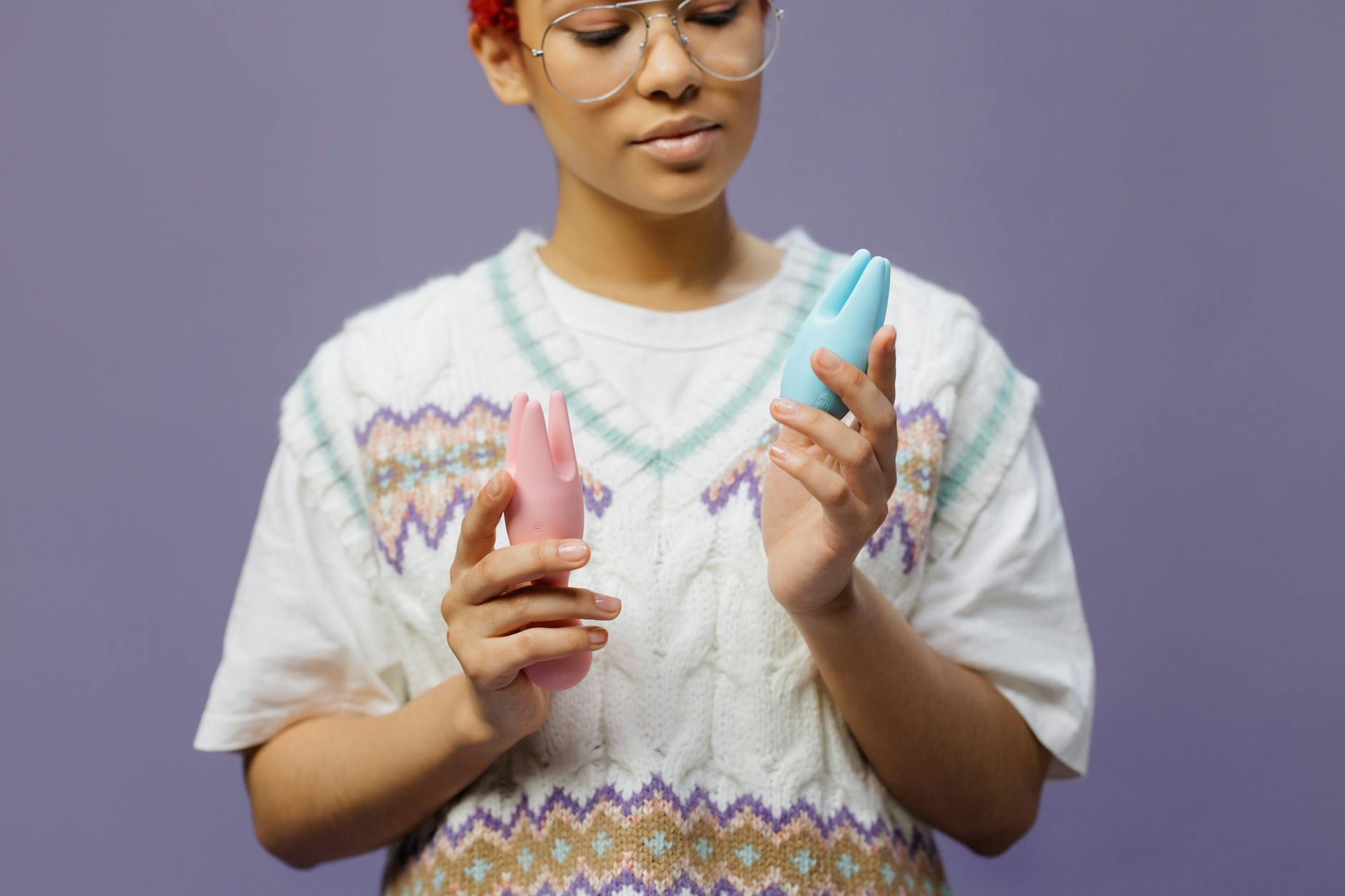
Let's talk about the part nobody prepares you for
Divorce is a rupture. Your life reorganizes around new logistics, new living situations, new rhythms. But what often gets skipped over in the divorce conversation is this: your body is grieving too. And somewhere in that grief is the question of whether pleasure is even yours to have anymore.
Here's the thing. Pleasure is the first thing to come back. Not always quickly, and not without some intentional work. But it's recoverable, and it's worth recovering.
The divorce-pleasure paradox
You spent years, maybe decades, having sex in the context of someone else. Their preferences, their timing, their comfort, their desire. Some of that was mutual. Some of it wasn't. Most of it, honestly, was a constant negotiation you didn't even realize you were making.
Then the marriage ends, and suddenly you're alone with your body for the first time in a long time. And a weird thing happens. You don't automatically know what you want anymore. Your nervous system has been calibrated to someone else's rhythm. Your pleasure response is tangled up with obligation, resentment, or just habit.
This is completely normal. It's also completely fixable.
Why lemon vibrators work for post-divorce exploration
I work with a lot of divorced clients who are returning to solo pleasure, and the barrier is rarely physical. It's psychological. They're navigating shame (which they shouldn't feel), uncertainty about what they actually want, and sometimes just the strangeness of touching themselves without another person in the picture.
A lemon clitoral vibrator removes one variable. You don't have to wonder if you're doing it right, if your partner is getting bored, if the angle is good for them. The suction sensation of something like a Lemon Vibrator is simple and direct. It doesn't require technique. It doesn't ask anything of you except attention.
For someone rebuilding a relationship with their own pleasure after years of navigating someone else's, that simplicity is everything.
Starting from scratch (even if you think you know your body)
Here's what most people don't realize: your body is not the same body that was married. Stress, grief, and the nervous system dysregulation that comes with major life change has shifted your physiology. Your arousal patterns might be different. Your sensitivity might have changed. What used to work might not anymore.
That's not a problem. It's an opportunity to get to know your body as it is now, not as it was.
When you're starting fresh with a lemon vibrator:
Set actual time aside. Not five minutes before sleep. Real time, when you're not rushing. Thirty minutes minimum. Your nervous system needs permission to shift gears after months of divorce stress.
Lower your expectations about what should happen. If the goal is "have an orgasm," you're carrying the same performance pressure that maybe made sex harder in your marriage. The goal is sensation. Attention. Learning. Orgasms will follow if your nervous system relaxes enough.
Start with your clothes on. Yes, really. Let the vibration wake up nerve endings without the psychological weight of "now I'm naked and doing this." Let your body get curious first.
Use water-based lubricant every time. Stress and grief literally change lubrication. This isn't a sign of arousal failure. It's just your body reflecting what you've been through. Lubrication helps sensation register better.
The emotional reset: what happens in the first weeks
The first time you use a lemon vibrator after divorce, expect something weird to happen. You might get emotional. You might feel nothing. You might feel everything and then feel nothing. All of this is correct.
Your body is remembering that pleasure can be separate from obligation. That sensation can be for you, not for someone else's benefit or reassurance. For a lot of people, that's actually more intense than the physical sensation itself.
If you find yourself crying, stopping, or feeling weird about it, you're not broken. You're processing. Give yourself space for that.
Building confidence over time
One thing that shifts once you've used a lemon vibrator a few times is this: you start trusting your own body again. Not in a spiritual sense, but in a real mechanical way. You know what patterns feel good. You know your own rhythm. You know what your body can do when it's not managing someone else's insecurity or expectations.
That knowledge compounds. People who rebuild self-pleasure after divorce often report that their confidence in other areas of life improves too. Your body is not some object that requires external validation. It's a system that generates information, pleasure, and sensation on its own.
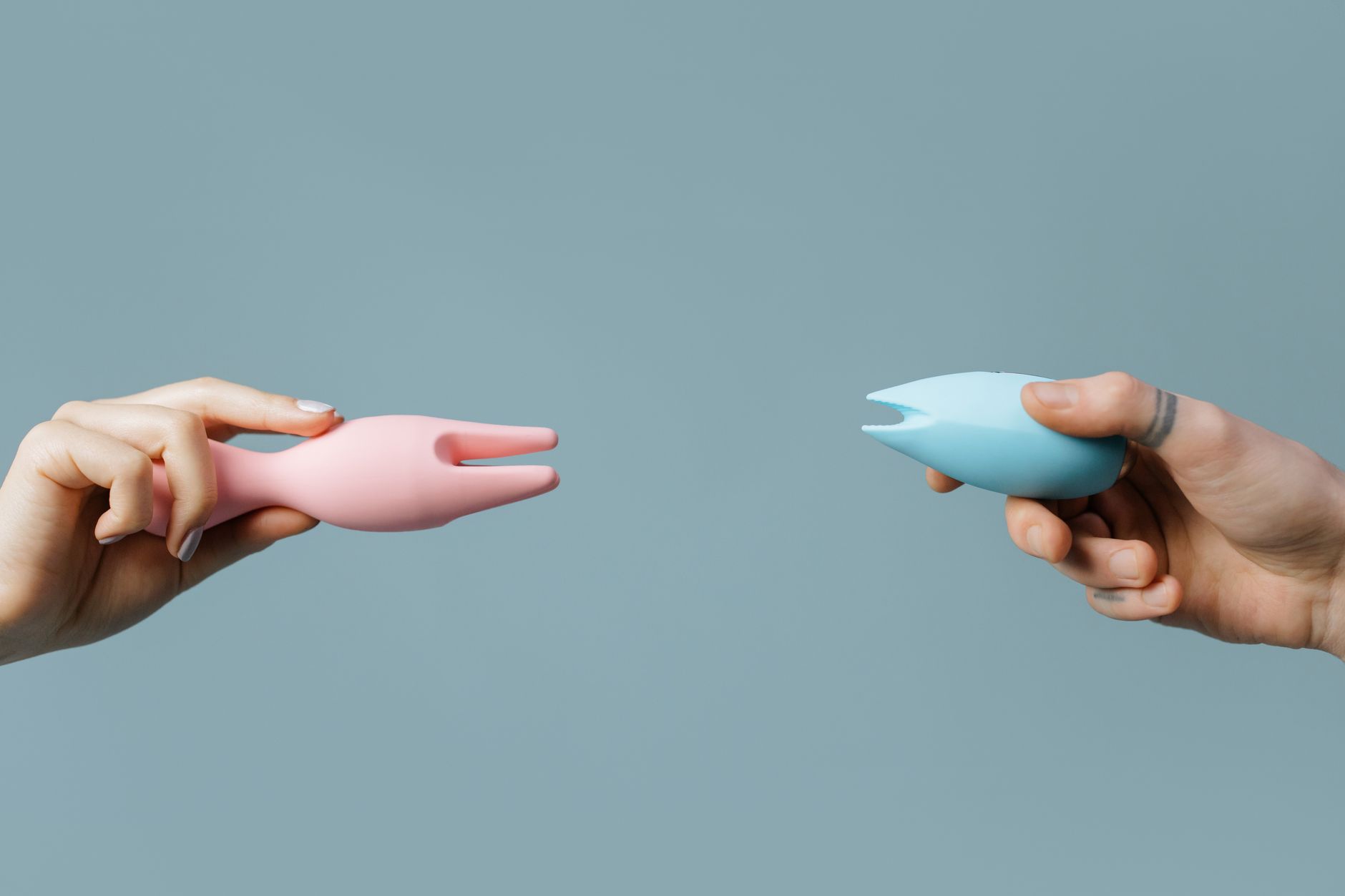
If you do eventually want partnered sex again, the foundation is completely different. You know what you like. You can ask for it. You're not silently hoping your partner guesses. That changes the whole dynamic.
Patterns to explore, no pressure
Once you've gotten comfortable with the basic sensation, lemon vibrators offer a range of stimulation intensities. Start low. Intensity three on a five-setting vibrator is enough for most people. The idea isn't to chase the strongest sensation. It's to notice what feels good in your nervous system right now.
You can also vary the angle, the duration, the rhythm. Solo pleasure is research. You're collecting data on yourself. Some days suction feels intense. Other days you want something lighter. Both of those are valuable information.
If you're coming from years of performance-based sex, this exploratory phase can actually feel revolutionary. Nobody's waiting for you to finish. Nobody's checking if you're close. It's just you and sensation.
When to check in with a professional
If you're finding that you have zero interest in pleasure weeks or months post-divorce, that's worth exploring with a therapist. Not because something is wrong with you, but because sometimes grief goes really deep, and professional support helps it move through more easily.
Similarly, if physical sensation feels numb or muted in a way that worries you, that's information. Could be medication. Could be stress still running high in your nervous system. Could be that your body needs more time. A sex therapist or your GP can help you sort it.
But if you're simply unsure, uncertain, or starting from zero knowledge, a lemon clitoral vibrator is a genuinely good place to begin.
The bigger picture: pleasure as reclamation
Recovering pleasure after divorce isn't self-indulgence. It's a marker that you're healing. It's evidence that your body is still capable of sensation, of feeling good, of wanting things for itself. After the grief and logistics and disruption of divorce, that's actually huge.
Start slow. Be patient with your body. Notice what changes week to week. Your nervous system is rewiring, and that takes gentleness. But it also takes intention. Using a lemon vibrator is that intention made physical. You're saying: my pleasure matters. My body is worth attending to. I'm worth the time.
That's the actual recovery. Everything else follows.
People also ask
How long after divorce should I wait before using a vibrator?
There's no timeline. Some people are ready weeks after separation. Others need months. The marker isn't time elapsed, it's whether you feel any curiosity at all. If there's a small part of you wondering what would feel good, that's permission enough. You don't need to feel fully healed or emotionally ready. You just need a tiny spark of "I'm curious about this."
Will using a lemon vibrator affect my chances of partnered sex later?
The opposite, actually. People who know their own pleasure response are better at partnered sex. You know what you like, you can communicate it, and you're not silently hoping someone guesses. That confidence is attractive. Plus, you're not placing unrealistic expectations on a future partner to "fix" your pleasure. You've already claimed it for yourself.
What if I feel guilty or ashamed using a vibrator after divorce?
That shame is usually inherited from somewhere. A parent's attitude about pleasure, a religious background, just years of cultural messaging that says women's sexual pleasure is either scandalous or secondary. After divorce, you get to decide what your relationship to pleasure is. If guilt comes up, that's worth examining. What exactly are you guilty about? That you're doing something for yourself? That feels good? That has nothing to do with anyone else? Most of that guilt dissolves when you name it directly.
Can I use a lemon vibrator if I'm still grieving the marriage?
Absolutely. Grief and pleasure aren't opposites. Your body can be sad and also capable of sensation. In fact, using a lemon vibrator sometimes helps grief move through more fluidly because you're reminding your nervous system that it's capable of good feelings too. Just don't expect the experience to be "healing" in a therapeutic sense. You're reclaiming sensation, not processing the divorce.
What if nothing feels good the first few times I try?
That's fine. Your nervous system might still be in protective mode. Months of stress can actually dull sensation temporarily. That's not permanent. Keep coming back without expectation. Sometimes it takes three, four, five times before your body settles enough to really feel anything. That's normal. And one day something will click and sensation will suddenly register much more clearly.
Should I tell my therapist I'm using a vibrator?
If you have a sex-positive therapist, yes. They can help normalize the experience and address any shame that comes up. If your therapist isn't sex-positive, you'll know pretty quickly from their reaction, and that's information about whether they're the right fit for you. Your sexual self-care is part of your recovery. It deserves support, not judgment.
You're exactly on schedule
Divorce disrupts everything. Your living situation, your identity, your sense of safety, your relationship to your own body. Rebuilding that body-based pleasure isn't something you're supposed to skip. It's part of the recovery. A lemon vibrator is a tool that makes that part feel less complicated. Simple sensation. Your own time. No one else's expectations.
Start small. Be curious. Notice what changes. Your pleasure is still yours. It was always yours. You're just reclaiming it now.
If you want to talk through any of this with someone trained in relationship recovery, reach out to Get Lemon Wand. We're here.
Related resources
If you're navigating post-divorce intimacy, these posts explore related territory:
How to Use a Lemon Vibrator When Exploring Solo After Years of Partnered Sex covers the broader adjustment of solo pleasure after a long partnership.
How to Use a Lemon Vibrator When Rebuilding Intimacy After Relationship Conflict addresses reconnection and trust during partnership transitions.
How to Use a Lemon Vibrator When Anxiety Disrupts Your Focus During Sex helps if divorce-related anxiety is interfering with your ability to stay present.