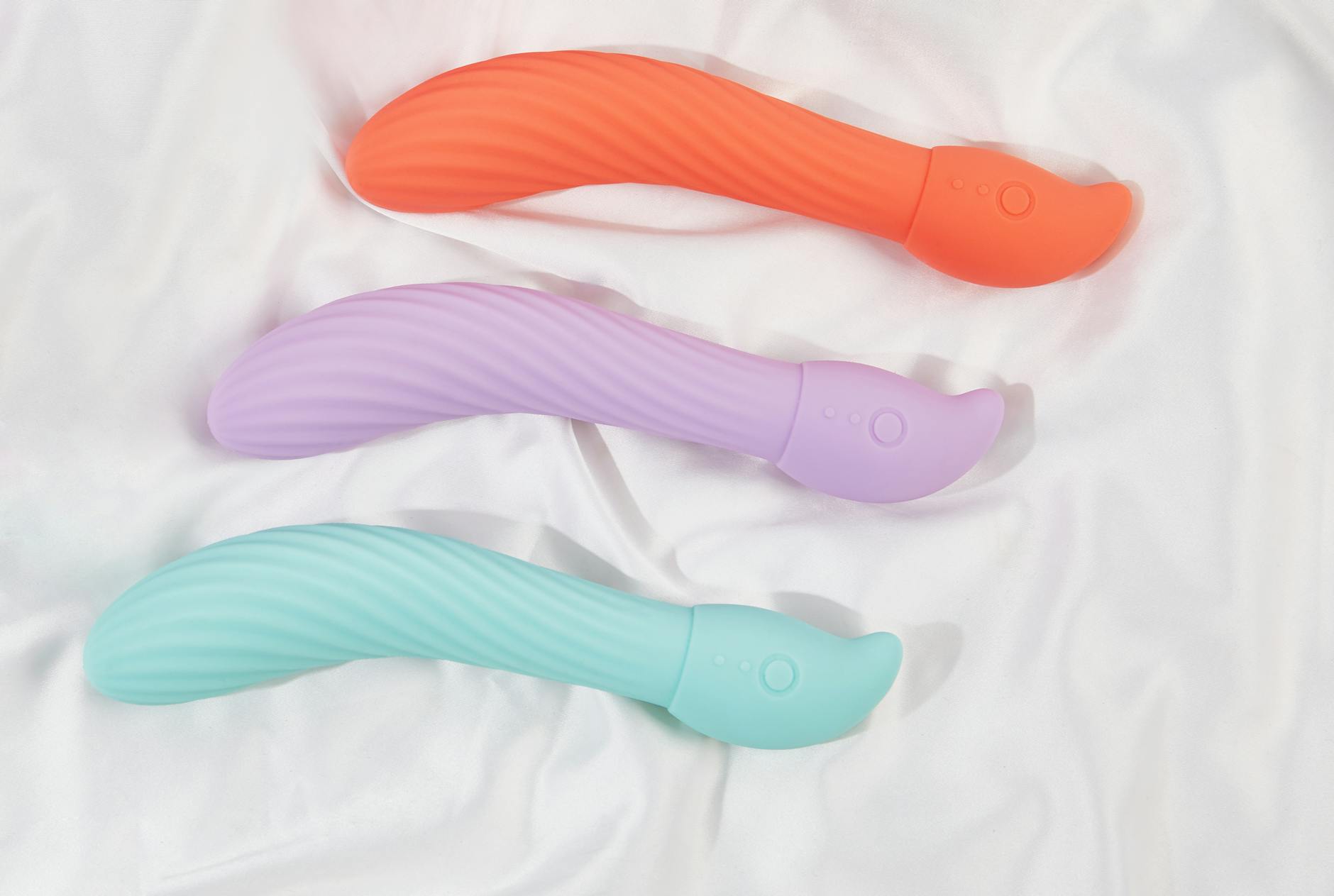
Let's address the elephant in the room
You're thinking about using a lemon vibrator during sex with your partner, and the first thing your brain did was go "oh god, they're going to think I don't need them." That's the story that keeps most people from ever trying. It's also not how your partner is going to read it.
Here's the actual truth: introducing a lemon sexual toy into partnered sex is a vote of confidence in the relationship. You trust them enough to be vulnerable in a new way. You're also saying "I want this to feel amazing, and I want to explore that with you." Both of those things are sexy to a partner who actually wants you to have pleasure.
The nervousness is normal. The shame? That's optional.
Why the nerves show up
Most of us grew up with a baseline story about sex: it's what happens between two people, and introducing anything else means something's wrong. A toy isn't an indictment on your partner's performance. It's not a third wheel. It's a tool that changes what your body can experience, period.
Adult toys work differently than hands or bodies. The sustained suction on a lemon clitoral vibrator, for example, activates nerve clusters in ways that friction alone can't replicate. That's not a criticism of your partner. It's just biology. A good vibrator is like adding a really good sound system to a concert. The band is still amazing. The sound system just makes it better.
Second source of nerves: visibility. When you're using a toy alone, you control the whole experience. When your partner is there, you're introducing another person's reactions, expectations, and presence into the mix. Your brain has to hold two things at once: your own pleasure and awareness of them. That split attention is real, and it's worth preparing for.
The conversation before anything happens
This is the foundation. Most couples skip this and regret it.
Pick a time that's not sexual. Not during foreplay, not in bed, not when you're already turned on. Have it over coffee or a walk. The goal is to say three things clearly:
1. What you want to try. "I've been curious about using a vibrator during sex with you. Specifically, I'm thinking about a lemon clitoral vibrator because of how the suction works." Be concrete. Name the thing.
2. Why it appeals to you. Not "I'm not satisfied" but "I want to experience something different" or "I'm curious what it feels like" or "I've read that this style of stimulation can help me reach orgasm faster, which would mean more time together afterward." Give them information, not defensiveness.
3. What you need from them. This is critical. "I need you to know that this doesn't mean anything about you or what we have. I also need to feel like you're okay with it, genuinely." If they're not okay with it, that's separate work. But they need to know that your pleasure during this is tied to feeling safe and wanted by them.
Listen to what they say back. If they have concerns, don't shut them down. "I'm worried you won't need me as much" or "I don't know how to act while you're using it" or "I'm not sure I want to watch" are all legitimate things to solve together, not things you override.
Setting up the first time
The environment matters more than you'd think. Bright overhead lights? Nope. You'll feel exposed and self-conscious, and that kills arousal dead. Warm lighting, or even just the light from a lamp with a warm bulb. Temperature should be warm. Cold makes bodies tense. Music helps because it gives your brain something to do besides narrate your own nervousness.
Start with lots of regular foreplay first. Kissing, touching, the full fifteen to twenty minutes. You need arousal to be genuinely present before the vibrator shows up. This does two things: it gets your body ready (which makes the lemon vibrator work better), and it normalizes the process for both of you. The toy doesn't appear out of nowhere. It's part of a conversation your bodies are already having.
When you introduce the toy, use lube even if you don't think you need it. It serves two functions here. Physically, it improves sensation. Psychologically, it signals "this is intentional and prepared." There's no scrambling, no awkwardness, just smooth logistics.
Start with lower intensity settings. Most lemon clitoral vibrators have multiple patterns and levels. Begin at level 1 or 2. This sounds counterintuitive when you're nervous (wouldn't stronger feel better?), but actually the opposite is true. Lower intensity lets you focus on sensation and comfort without being overwhelmed. You can always increase. You can't un-ring the bell if level 4 is too much and breaks your concentration.
What to do with the partner who's watching
Give them a job. Not in a controlling way, but in a "here's how you can be helpful and present" way. They could:
- Kiss you while you use the vibrator. This keeps them involved and gives you grounding sensation.
- Use their hands on other parts of your body. Touching your breasts, your thighs, holding you close.
- Tell you what they see. Not in a pornographic play-by-play, but genuine observation. "You look so relaxed" or "I love how your breathing changes." This is vulnerability they're witnessing, and noticing it with appreciation is sexy and connective.
- Ask what they can do. "What would feel good? What would help?" These questions are foreplay.
What they should NOT do: watch silently like they're evaluating your performance. That's the energy that kills arousal. If they naturally fall into that, it's okay to gently redirect. "Come closer" or "Touch me while I'm doing this" redirects the dynamic from observation to participation.
If it doesn't feel good the first time
This is important. Maybe the vibration is too intense. Maybe you can't relax with them watching. Maybe the timing was weird. None of that means you're broken or the toy doesn't work for you. It means you need an adjustment.
Talk about it. Not defensively. Not trying to convince them the toy is good. Just honest. "That was interesting, but I think I need to feel less exposed" or "The intensity was too strong" or "I got in my head about your reaction instead of focusing on the sensation." These are real obstacles and they have real solutions.
Solution might be: use the toy alone a few times first, so your body knows what it feels like. Then bring your partner back in. Or use it in a position where you're not facing each other directly. Or try it when you're less in your head, which sometimes takes a few tries. Or your partner wears a blindfold so you feel less watched. Pick what makes sense for you.
Most people need two or three times before this feels natural. That's completely normal. Sexual comfort with a partner is a built thing, not an instant thing.
When it does work
You'll notice something shift. The pleasure is usually sharper and more focused than you expected. Your orgasm might look or feel different, which can be startling in a good way. Your partner often gets turned on watching you enjoy something intensely. That pleasure feedback loop is powerful and connective.
After, take time to reconnect. Cuddle. Talk about what worked. Let them know you appreciated them being present and supportive. If it was genuinely good, tell them. "That was really hot" or "I loved that you were so into watching me" gives them positive reinforcement that they made a good choice to be open.
The lemon clitoral vibrator stays in your sexual toolkit now. It doesn't have to be every time. It's an option, like a particular position or scenario. Some couples use it regularly. Some use it occasionally when they want something specific. Neither is more correct.
When your partner is more enthusiastic than you are
Sometimes the dynamic is reversed. They want to incorporate a vibrator into partnered sex, and you're the one who's hesitant. The same communication and pacing applies. You get to say "I want to try this, but I need to move slowly" or "I want to use it solo first before we use it together." Your comfort is not negotiable, even if they're excited.
Trust that your hesitation is information. Maybe you're worried about pressure to perform. Maybe you're protective of your pleasure space. Maybe you just need more processing time. All of that is valid and worth naming.
The bigger picture
Using a lemon vibrator with your partner watching is a small act that says something larger about your relationship: you can be honest about what you want. You can be vulnerable. You can try things together that feel a little risky. Those are the foundations of real intimacy.
The toy is secondary. The communication is primary. A lemon clitoral vibrator makes orgasm more accessible, which is fantastic. But what makes the whole experience connective is the fact that you did it together, with honesty and care.
Start the conversation. Move slowly. Notice what feels good. Adjust as you go. And know that any awkwardness you feel right now is just the beginning of comfort that's about to happen.
FAQ
Will my partner think I don't need them if I use a vibrator during sex?
No. A vibrator is a tool that changes what your body can experience, not a statement about your partner's adequacy. Many people find that using a toy together actually creates more pleasure and connection, because your partner gets to witness and participate in your satisfaction. The most secure partners understand that your pleasure during sex includes both them and the experience itself. If your partner is insecure about a toy, that's worth addressing in conversation, ideally before introducing anything new. But that insecurity is about their stuff, not about any truth regarding your relationship.
How do I bring up using a lemon vibrator if my partner has never suggested it?
The same way you'd bring up anything else you want to try. In a calm moment outside of sex, say you've been thinking about exploring something together and explain what appeals to you about it. Specificity helps. "I want to try a lemon clitoral vibrator because I'm curious about how the suction feels different from other kinds of stimulation" gives them information, not just "I want to use a vibrator." Ask what they think. Listen. Be willing to move at their pace, but also be clear about what you want. A good partner will want to meet you there.
What if my partner gets turned off by the idea?
First, ask why. Sometimes objections are about anxiety, not actual rejection. "I don't know what to do while you're using it" is different from "I don't want you using toys." The first has solutions. The second is a values difference that needs real conversation. If your partner fundamentally doesn't want toys in your sex life, you have to decide whether that's a dealbreaker for you. It's fair to want certain experiences. It's also fair for them to have boundaries. The question is whether your boundaries are compatible. That sometimes requires a couples therapist or sex educator to navigate.
Should I use the vibrator the first time, or should my partner use it on me?
Your call, and it depends on what feels less vulnerable. Some people find it easier to control the intensity and sensation if they're holding the toy. Others feel more in their body if their partner is directing it, because they can relax into sensation without also managing the mechanism. Try whichever feels more natural to you. You can always switch next time.
Will a lemon vibrator make it harder to orgasm without one later?
No. Your body doesn't become dependent on a specific type of stimulation because you've used a toy. What sometimes happens is that you discover a type of sensation that works really well for you, and you prefer it. That's not dependency. That's just knowing what you like. If you want to also maintain pleasure without a toy, you absolutely can. Pleasure is versatile.
How long should the first experience last?
Ten to fifteen minutes total, probably. Use the vibrator for maybe three to five of those, and spend the rest on foreplay and connection. This keeps the experience from feeling like it's all about the toy, and it also keeps you from exhausting your sensitivity. More time isn't always better. Quality attention to what feels good is better than duration.
Resources
For more on how to use a lemon vibrator with a partner who feels intimidated, including how to rebuild trust during this transition, check out that guide.
If you're reconnecting after distance in your relationship, how to use a lemon vibrator when reconnecting after relationship distance has specific strategies for rebuilding sexual confidence as a team.
For general technique and comfort, why lemon vibrators feel better than traditional vibration alone explains the neurology of why lemon clitoral vibrators work the way they do, which can help you understand your own body better.